Max Gregor Carlsson (Swedish, 20th Century)
Matador, ca. 1950s
Oil on canvas
Framed dimensions 25 3/4” H x 19 1/2” W
Signed lower right
Max Gregor Carlson (1914 - 1996) was a significant figure in mid-century Scandinavian Modernism due to his ability to blend traditional Swedish sensibilities with the bold, avant-garde styles of post-war Europe. After training at the Skånska Målarskolan, Carlsson immersed himself in the vibrant art scenes of Paris and Spain during the early 1950s. This exposure transformed his style, leading him to adopt a rich, Continental Modernist approach characterized by heavy impasto, cubist-influenced geometries, and expressive, thick contours. By bringing these international influences back to Sweden, Carlsson helped bridge the gap between regional art and global modern movements, leaving behind a compelling body of work that captures the experimental energy of the post-war era. His work can be found in the public collections of several museums, including the Malmo Museum, Eskilstuna Art Museum, Landskrona Konsthall, and Norrkoping City Collection.
Max Gregor Carlsson (Swedish, 20th Century)
Matador, ca. 1950s
Oil on canvas
Framed dimensions 25 3/4” H x 19 1/2” W
Signed lower right
Max Gregor Carlson (1914 - 1996) was a significant figure in mid-century Scandinavian Modernism due to his ability to blend traditional Swedish sensibilities with the bold, avant-garde styles of post-war Europe. After training at the Skånska Målarskolan, Carlsson immersed himself in the vibrant art scenes of Paris and Spain during the early 1950s. This exposure transformed his style, leading him to adopt a rich, Continental Modernist approach characterized by heavy impasto, cubist-influenced geometries, and expressive, thick contours. By bringing these international influences back to Sweden, Carlsson helped bridge the gap between regional art and global modern movements, leaving behind a compelling body of work that captures the experimental energy of the post-war era. His work can be found in the public collections of several museums, including the Malmo Museum, Eskilstuna Art Museum, Landskrona Konsthall, and Norrkoping City Collection.

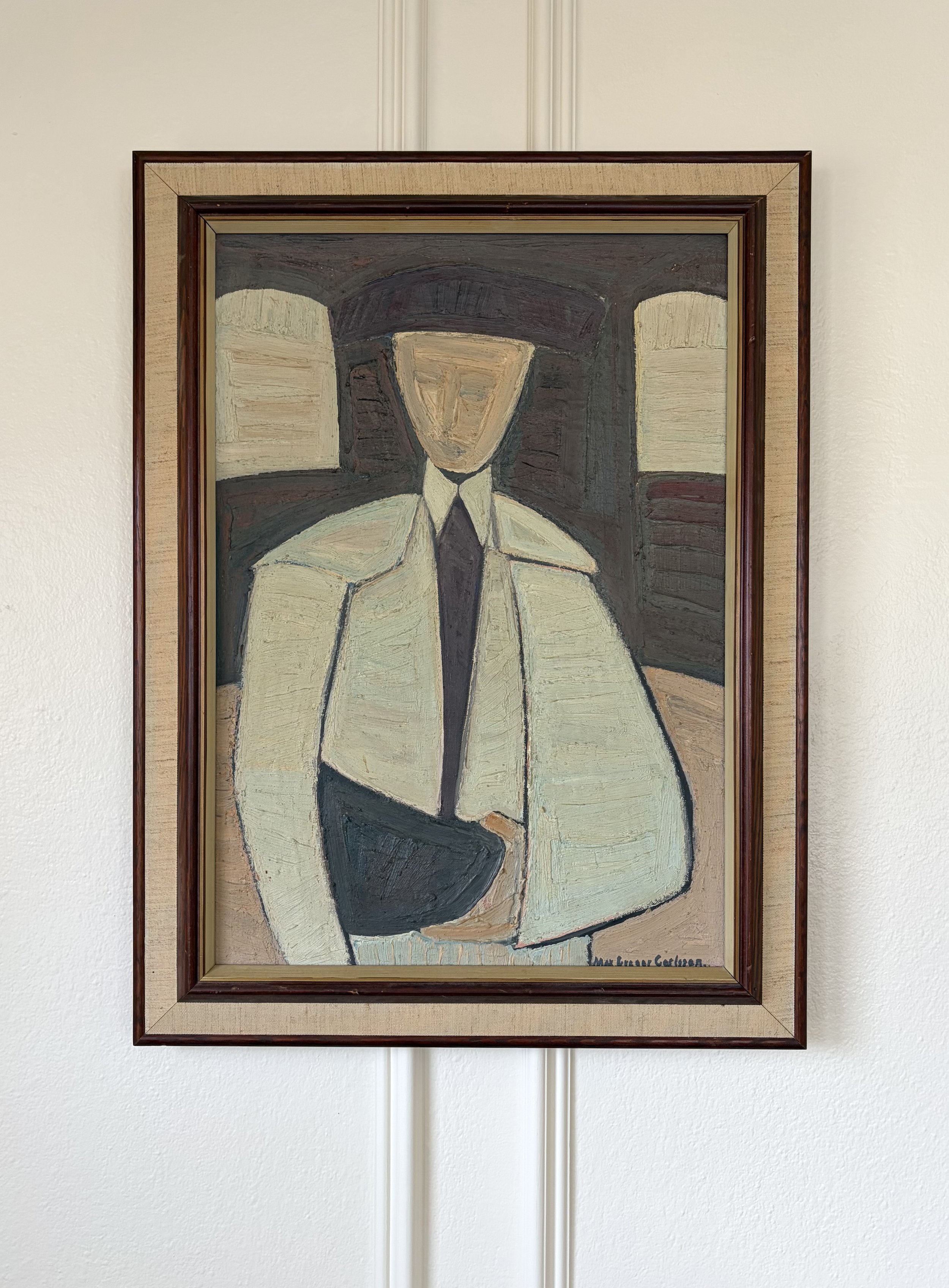 Image 1 of 25
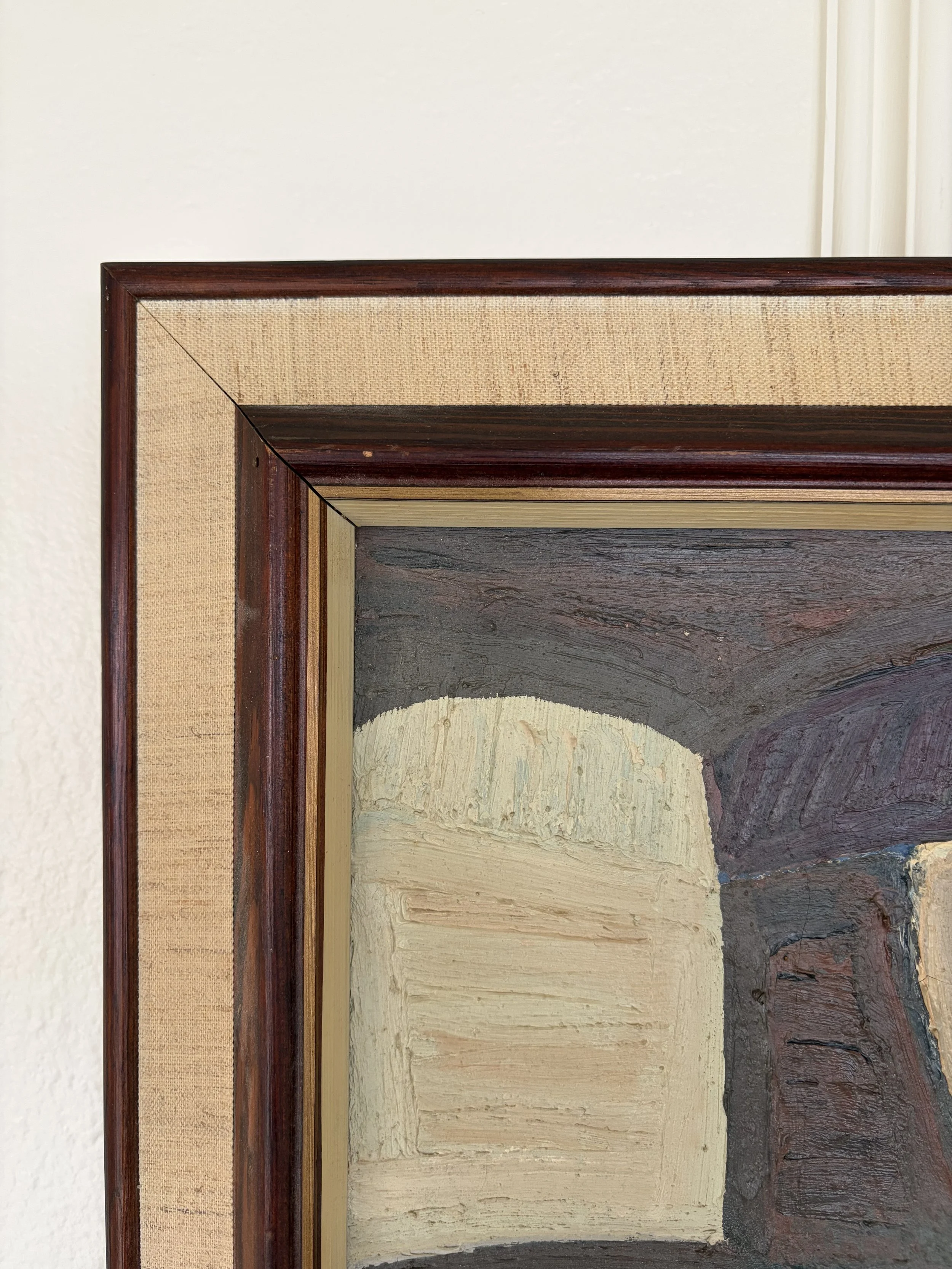 Image 2 of 25
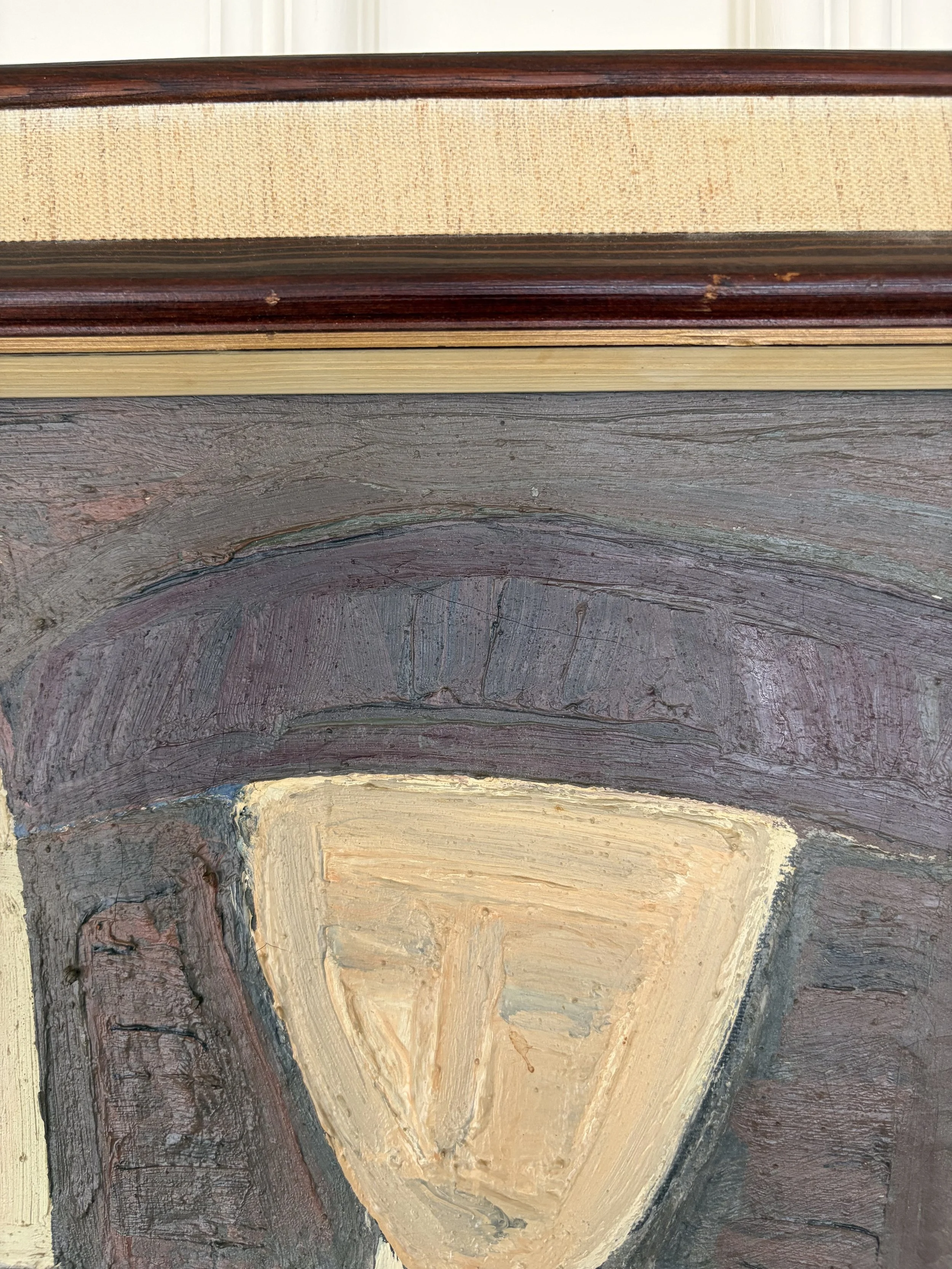 Image 3 of 25
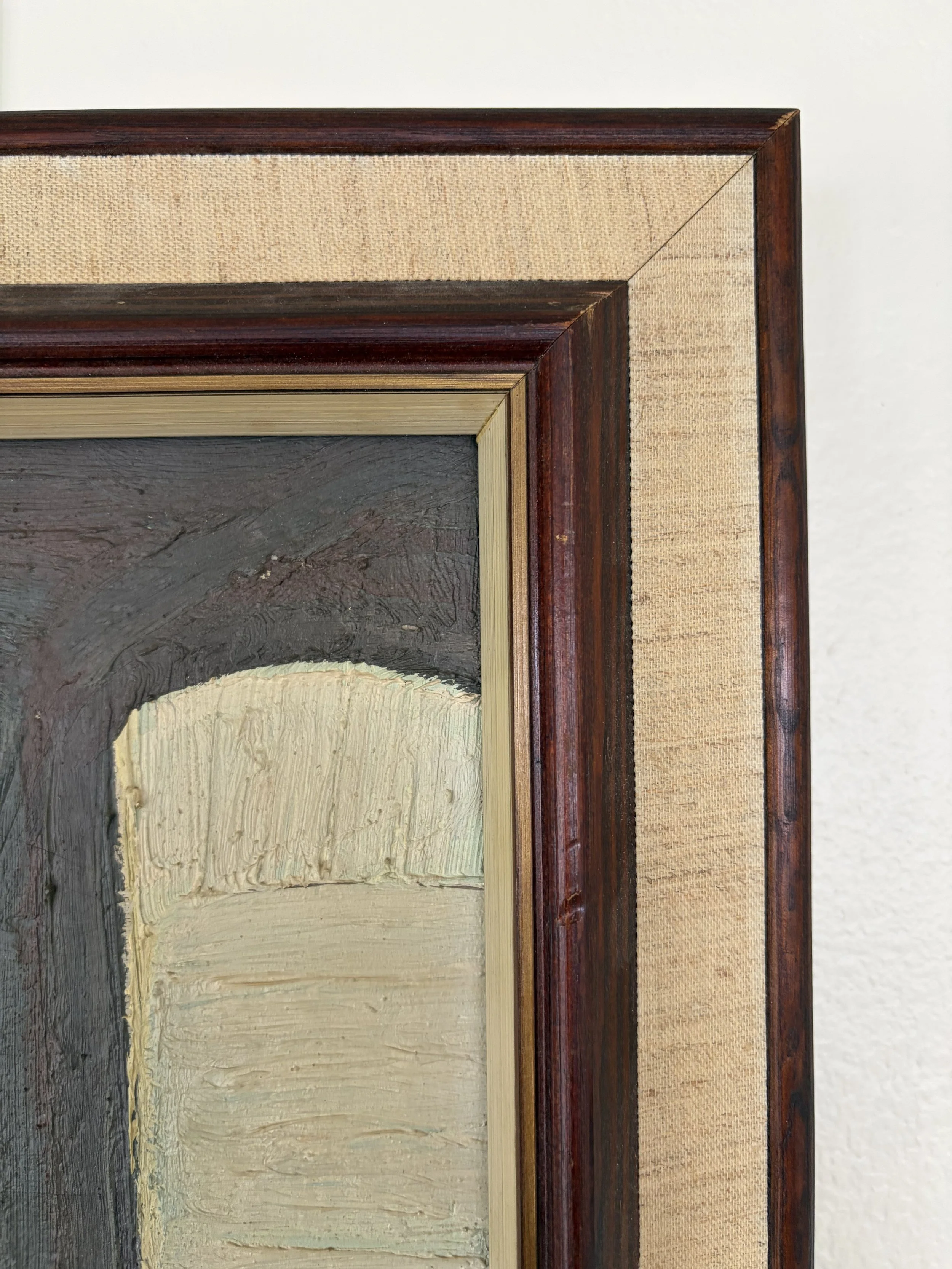 Image 4 of 25
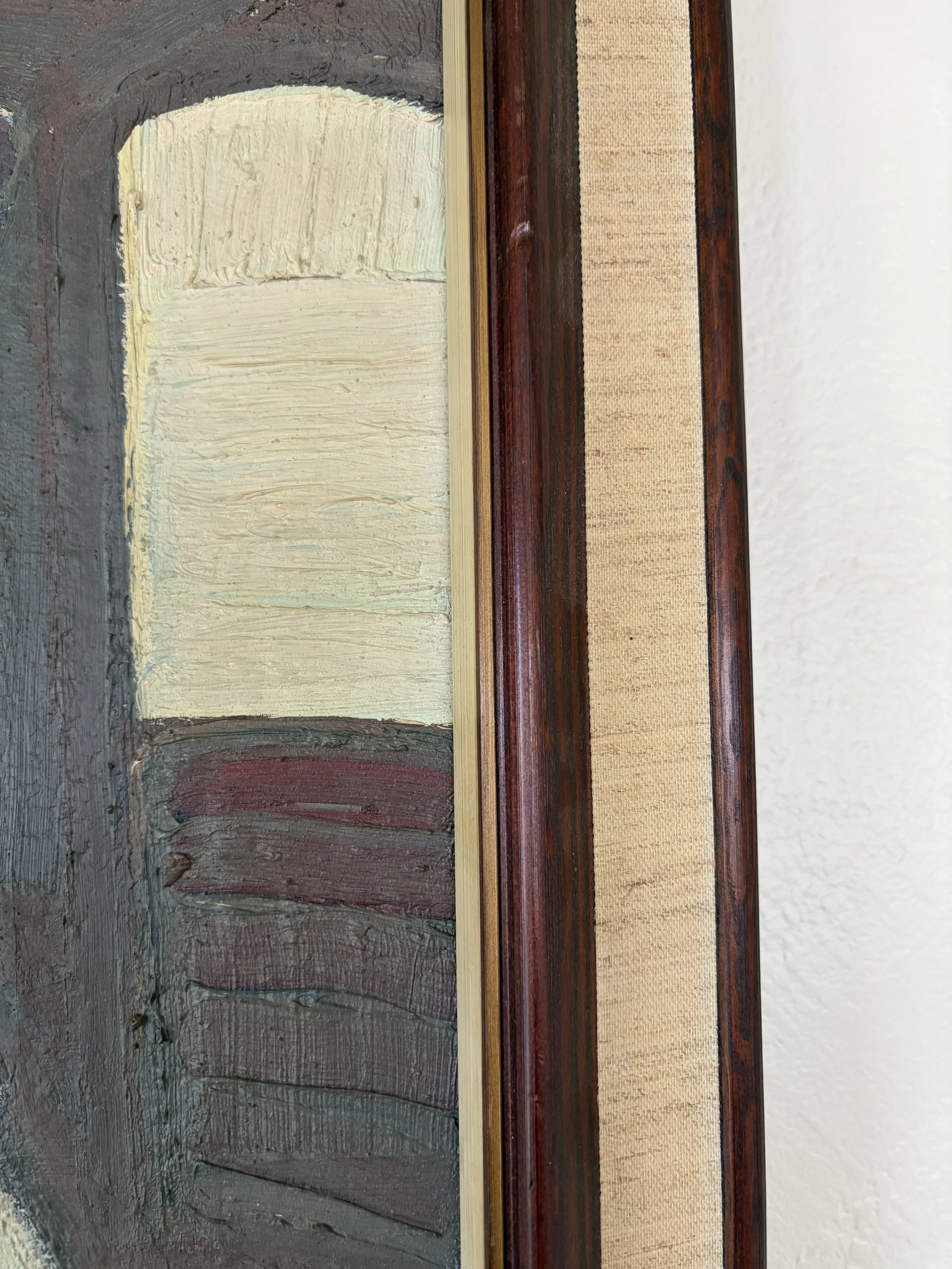 Image 5 of 25
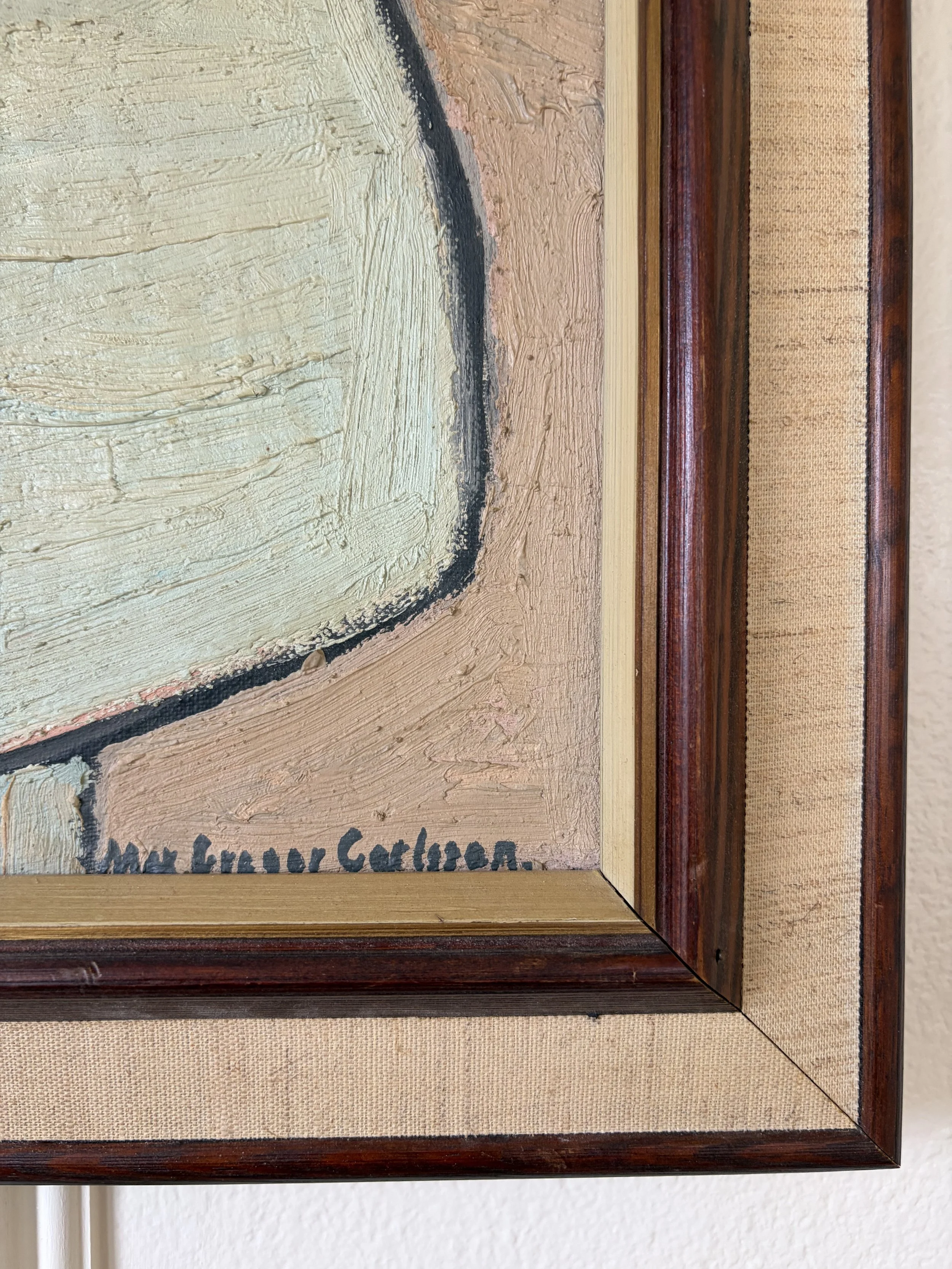 Image 6 of 25
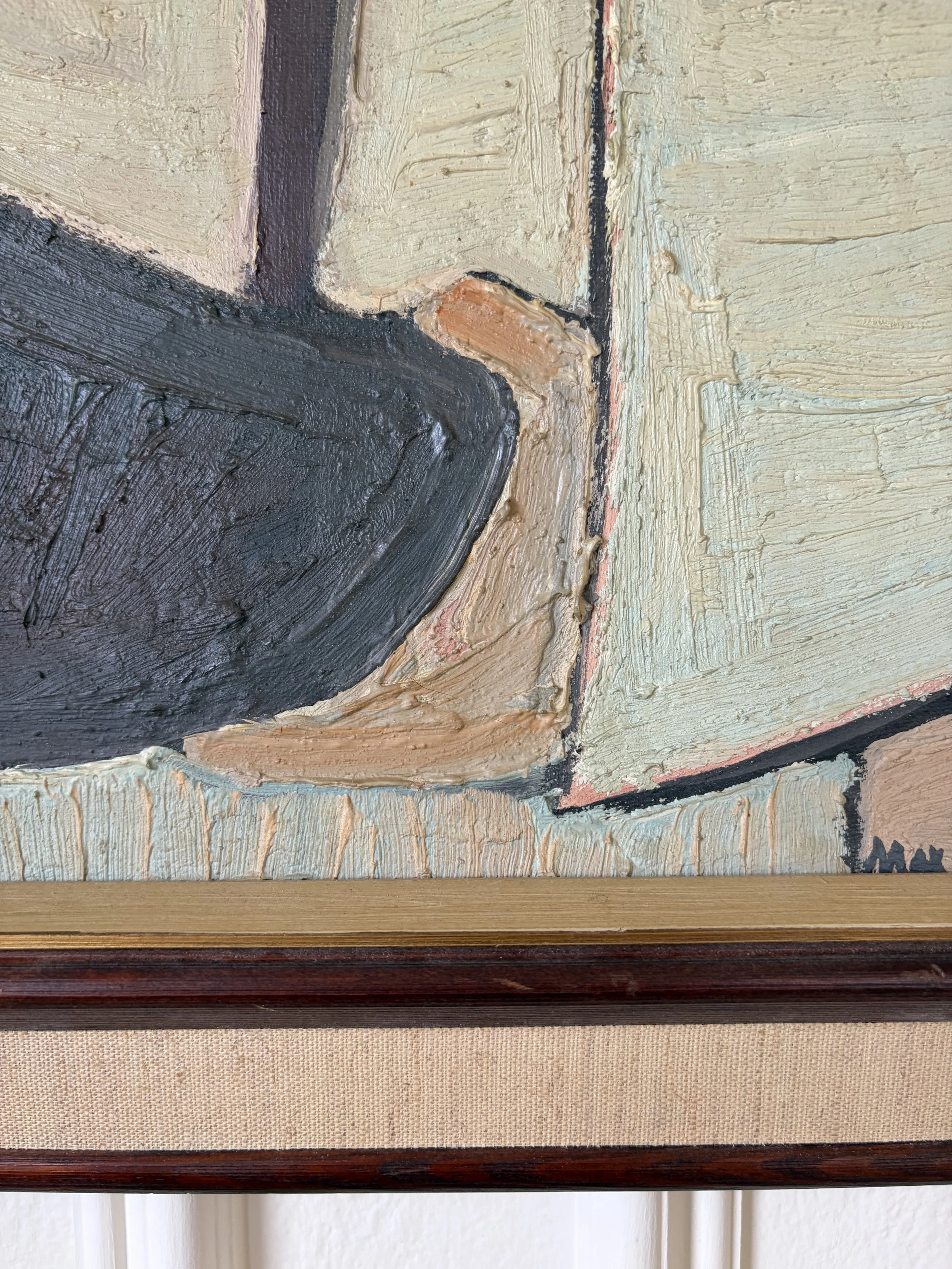 Image 7 of 25
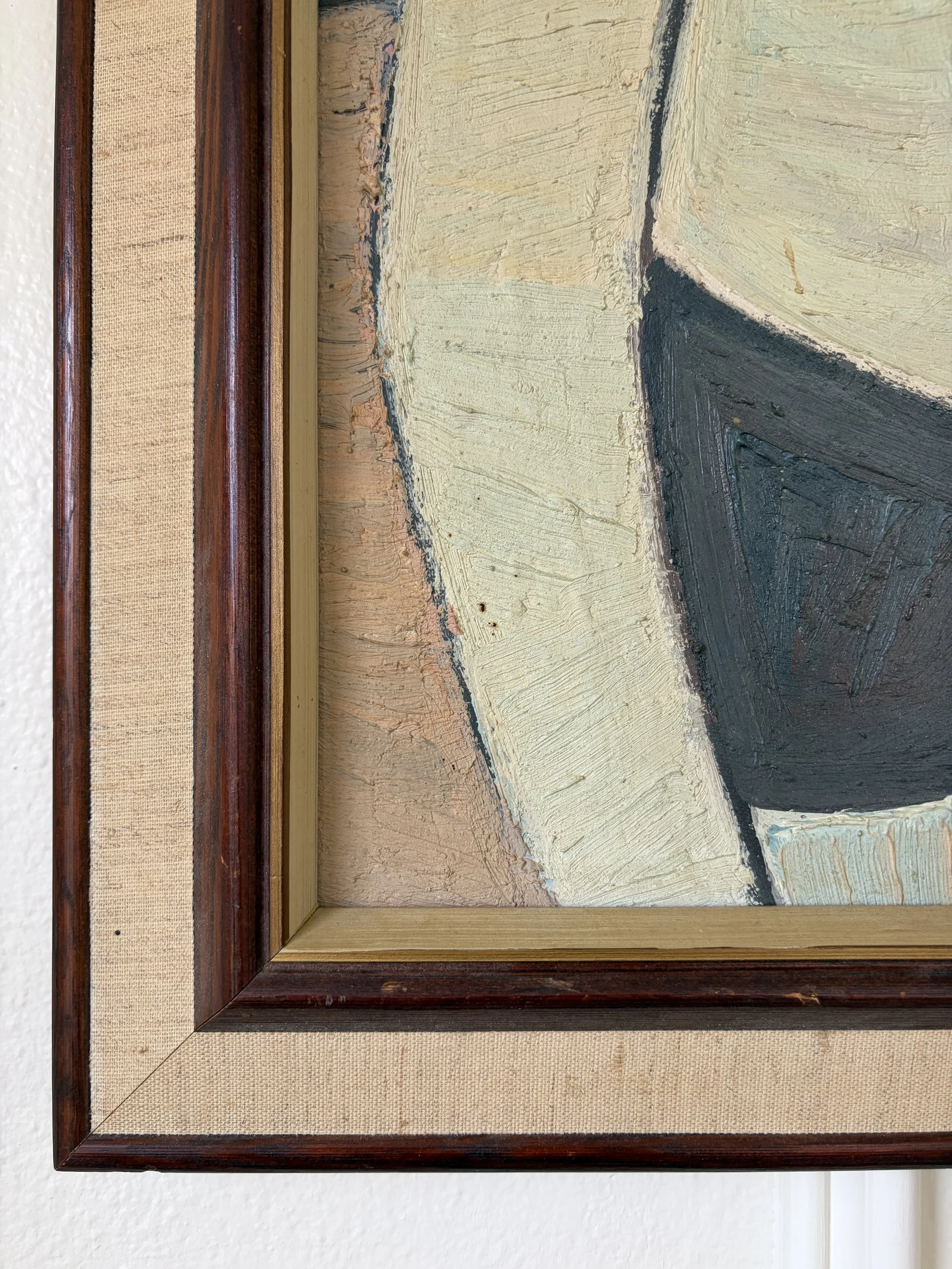 Image 8 of 25
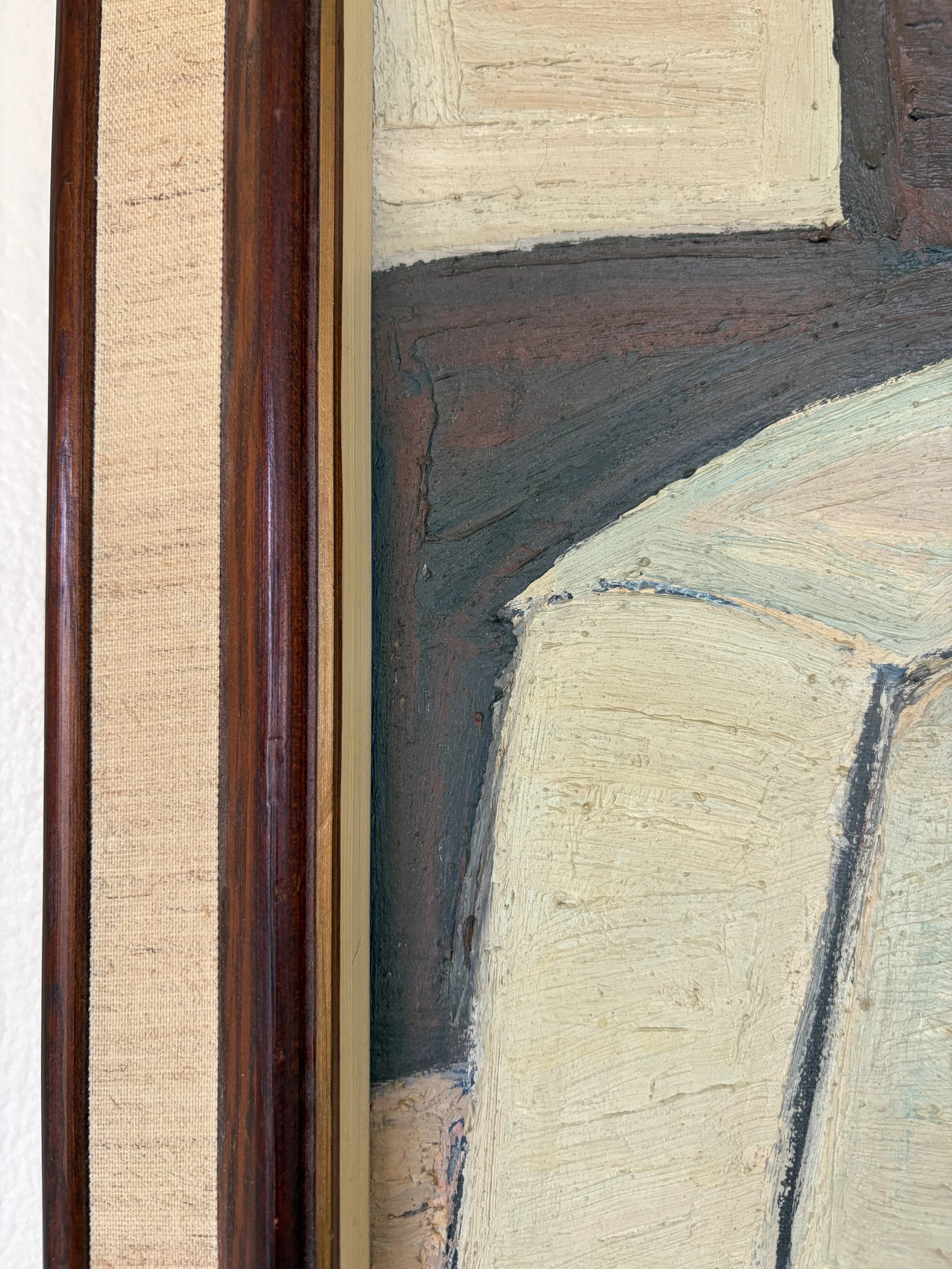 Image 9 of 25
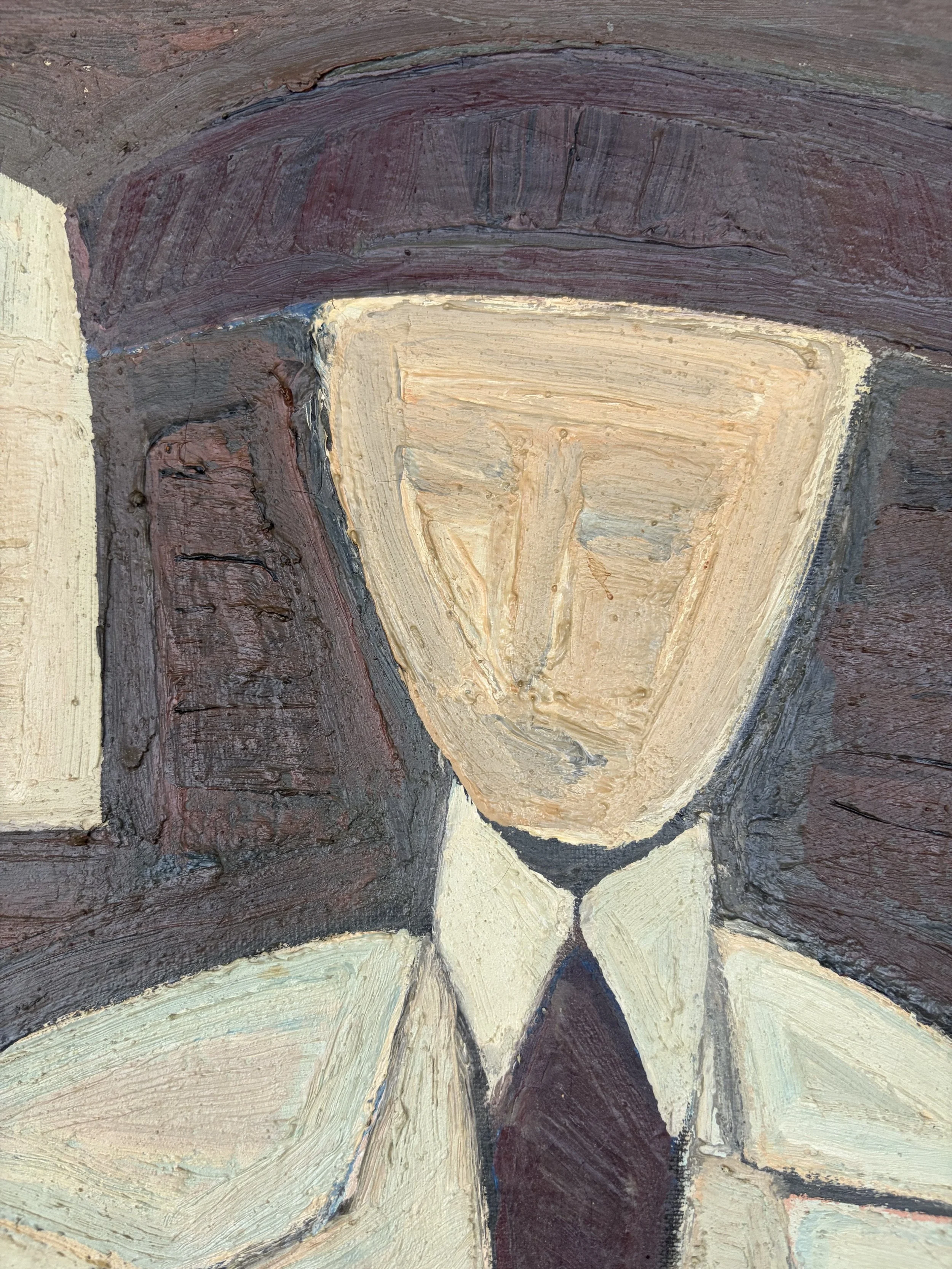 Image 10 of 25
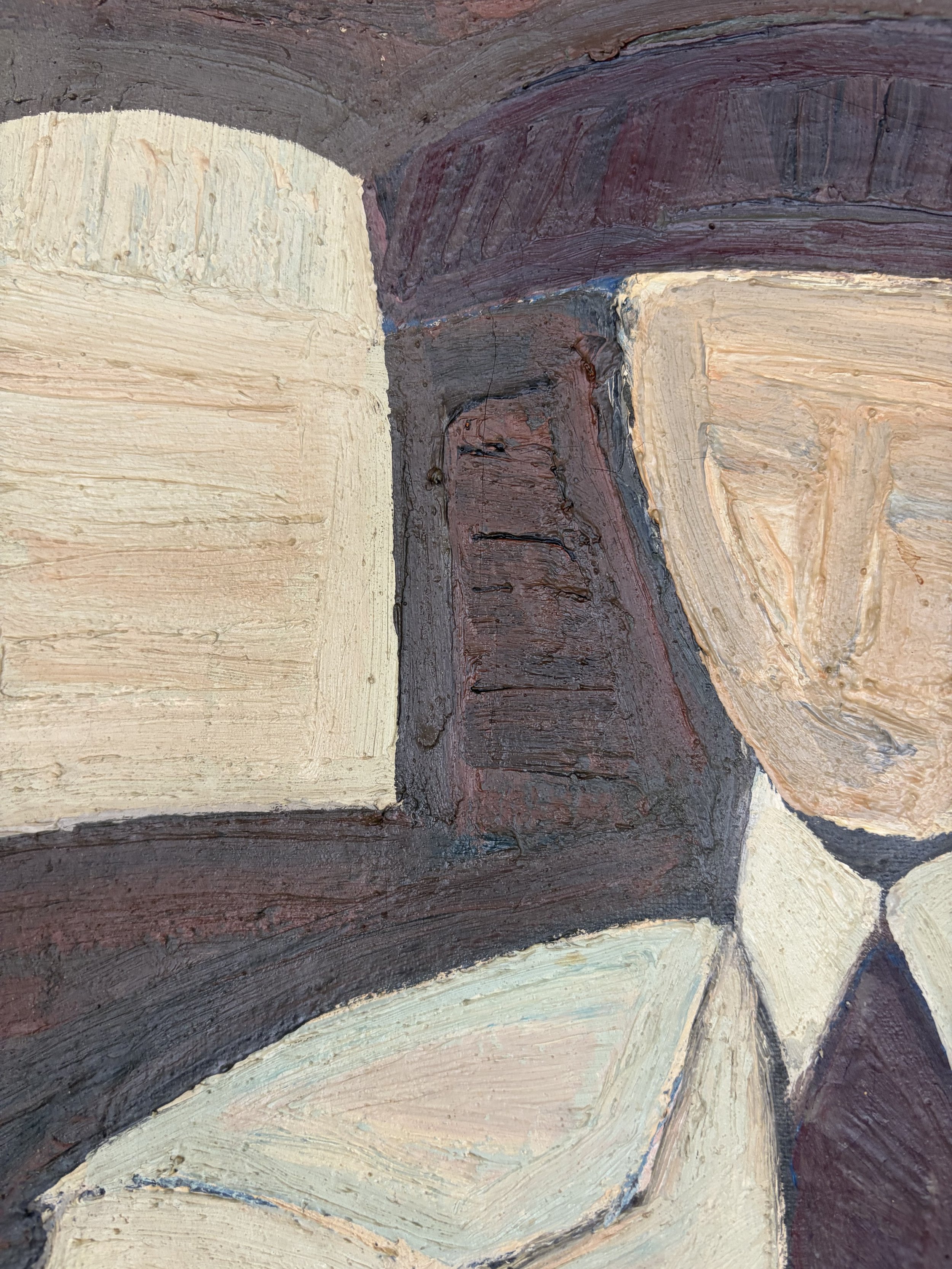 Image 11 of 25
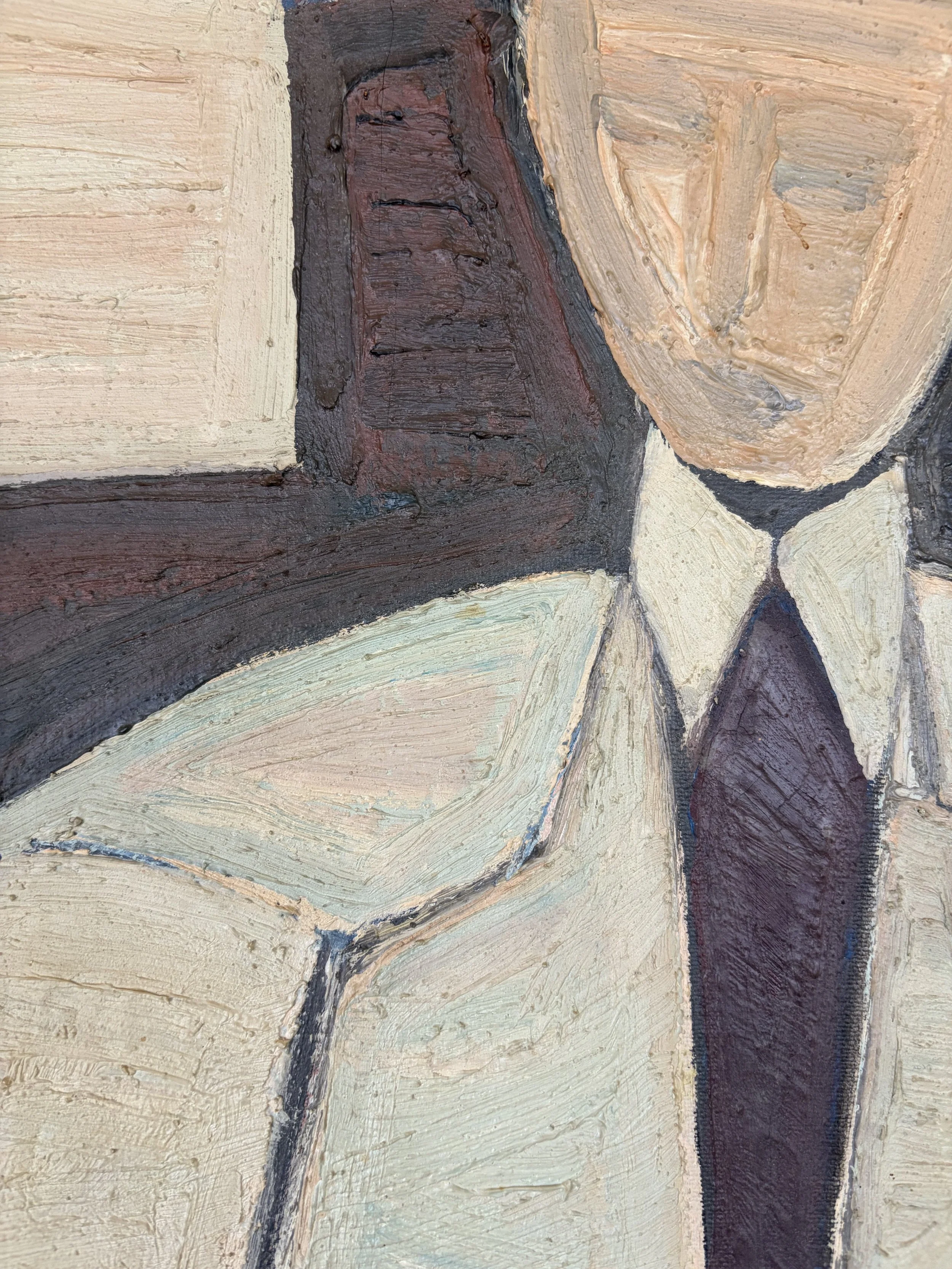 Image 12 of 25
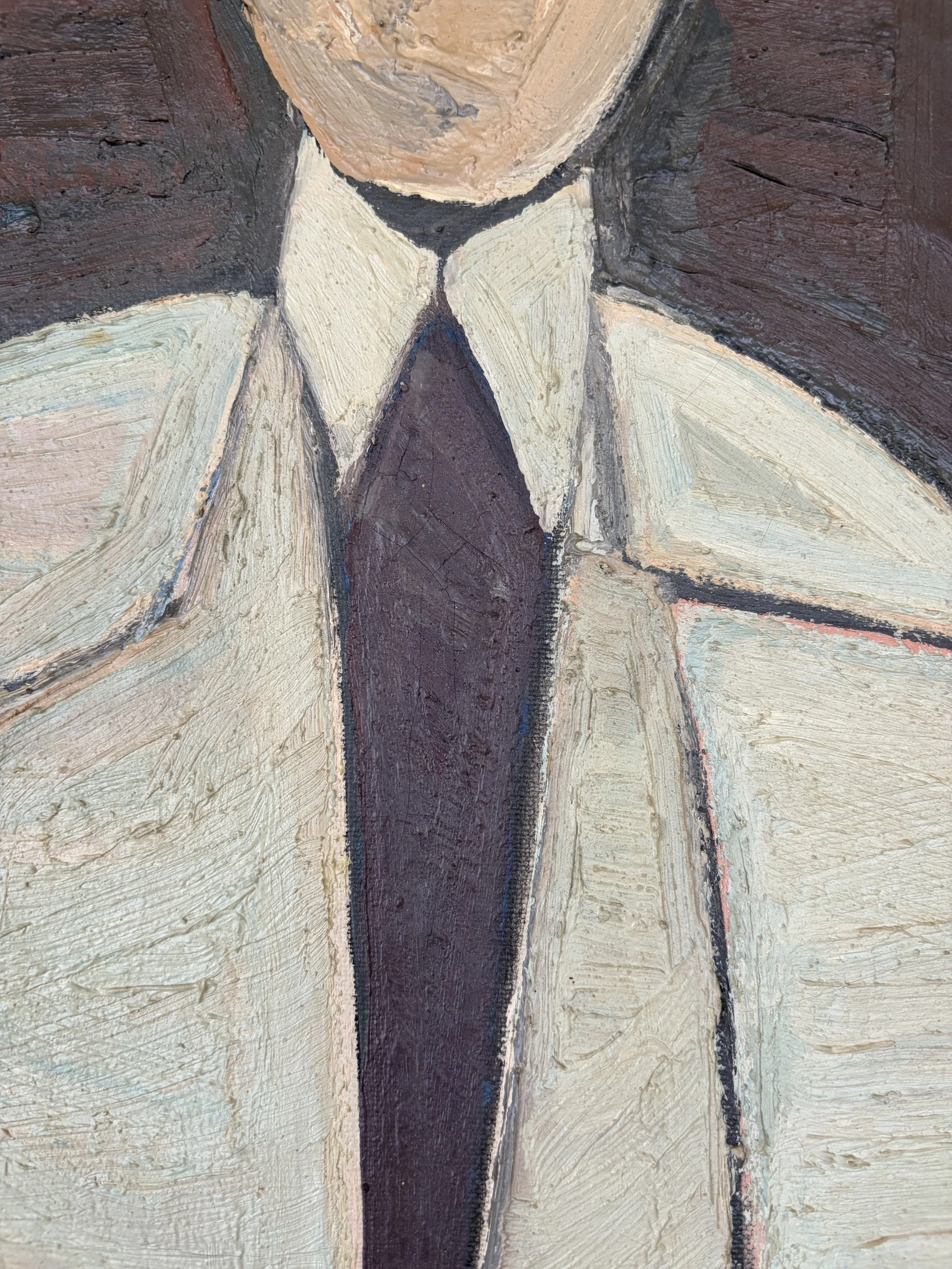 Image 13 of 25
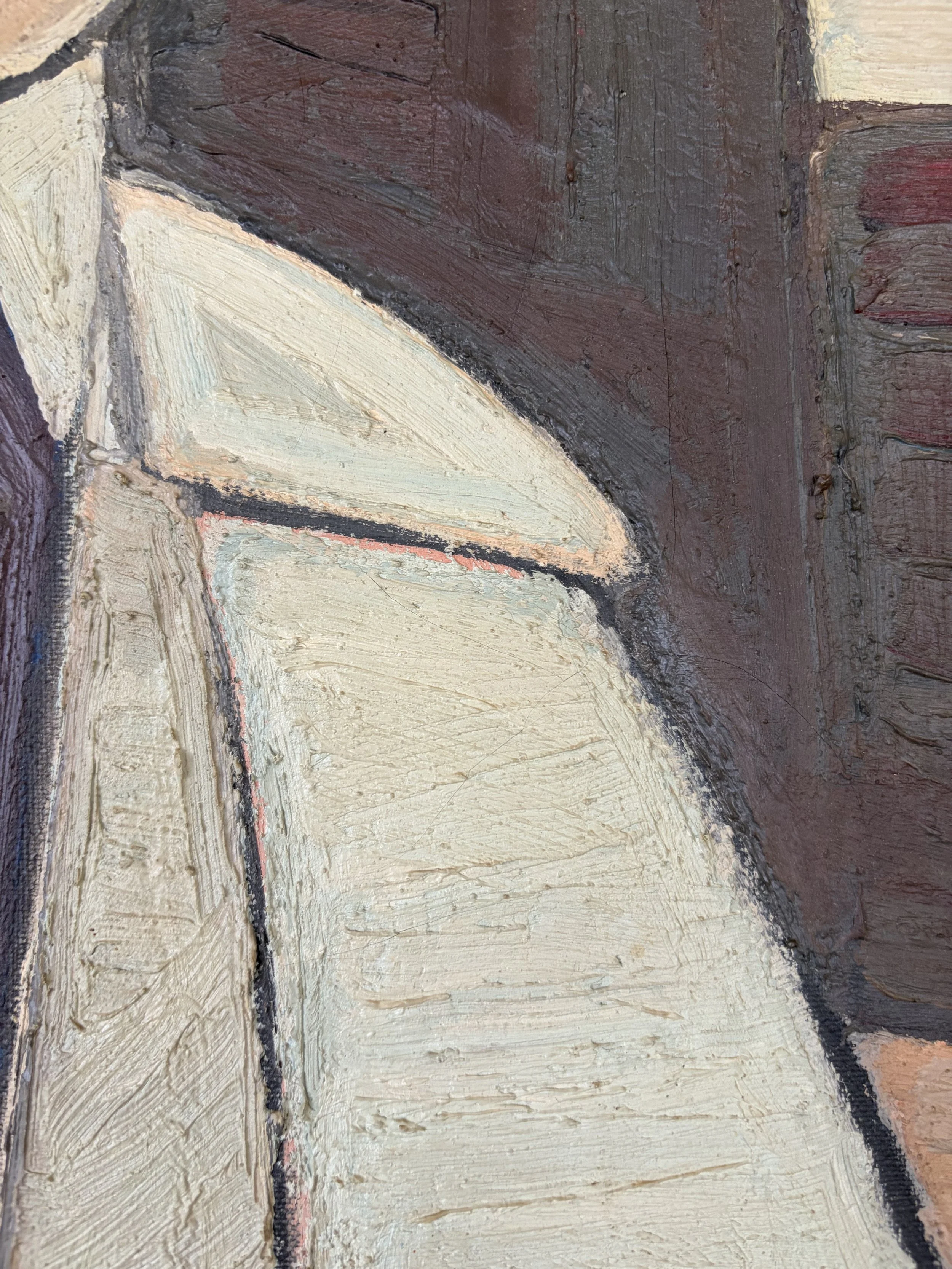 Image 14 of 25
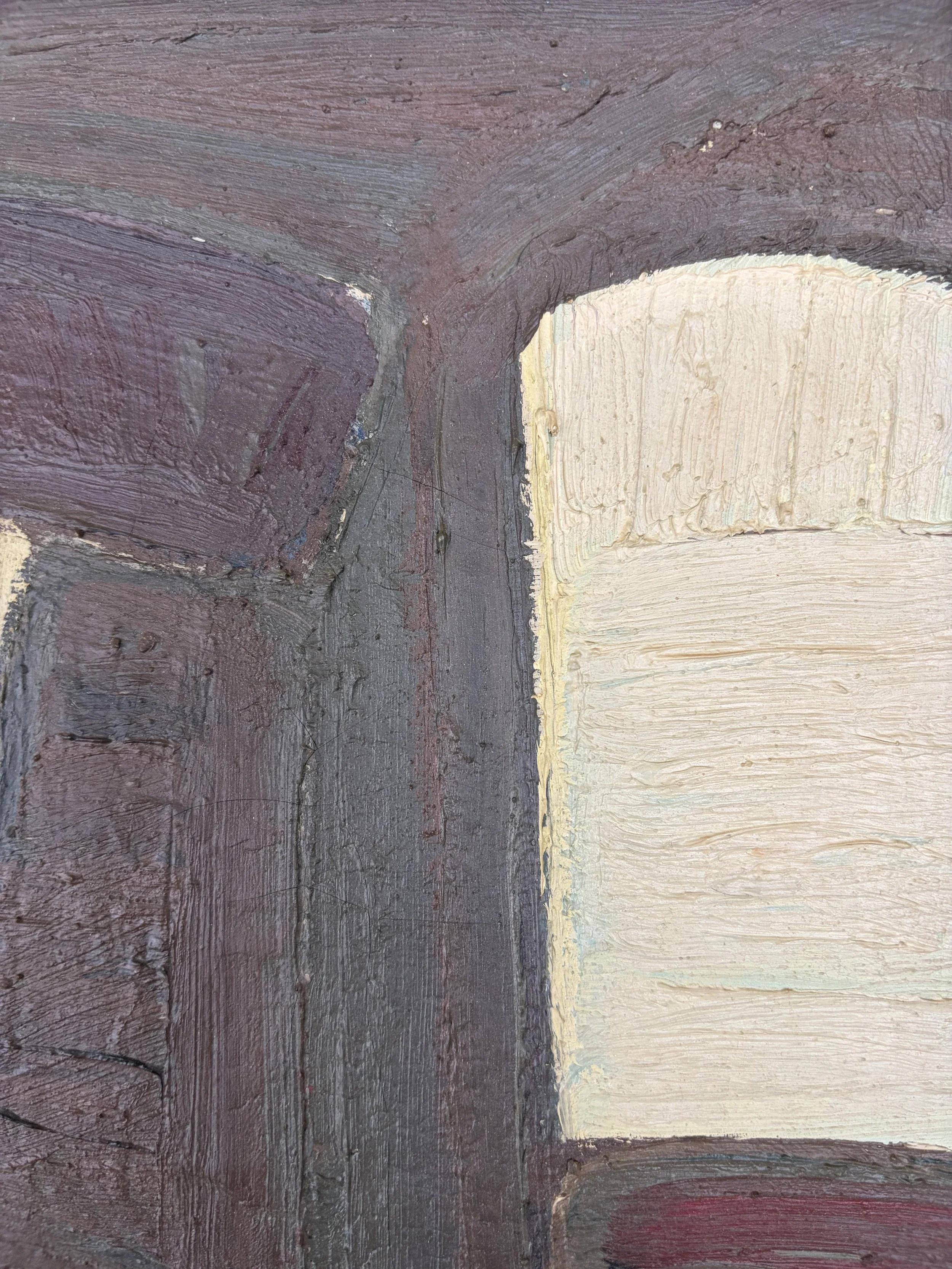 Image 15 of 25
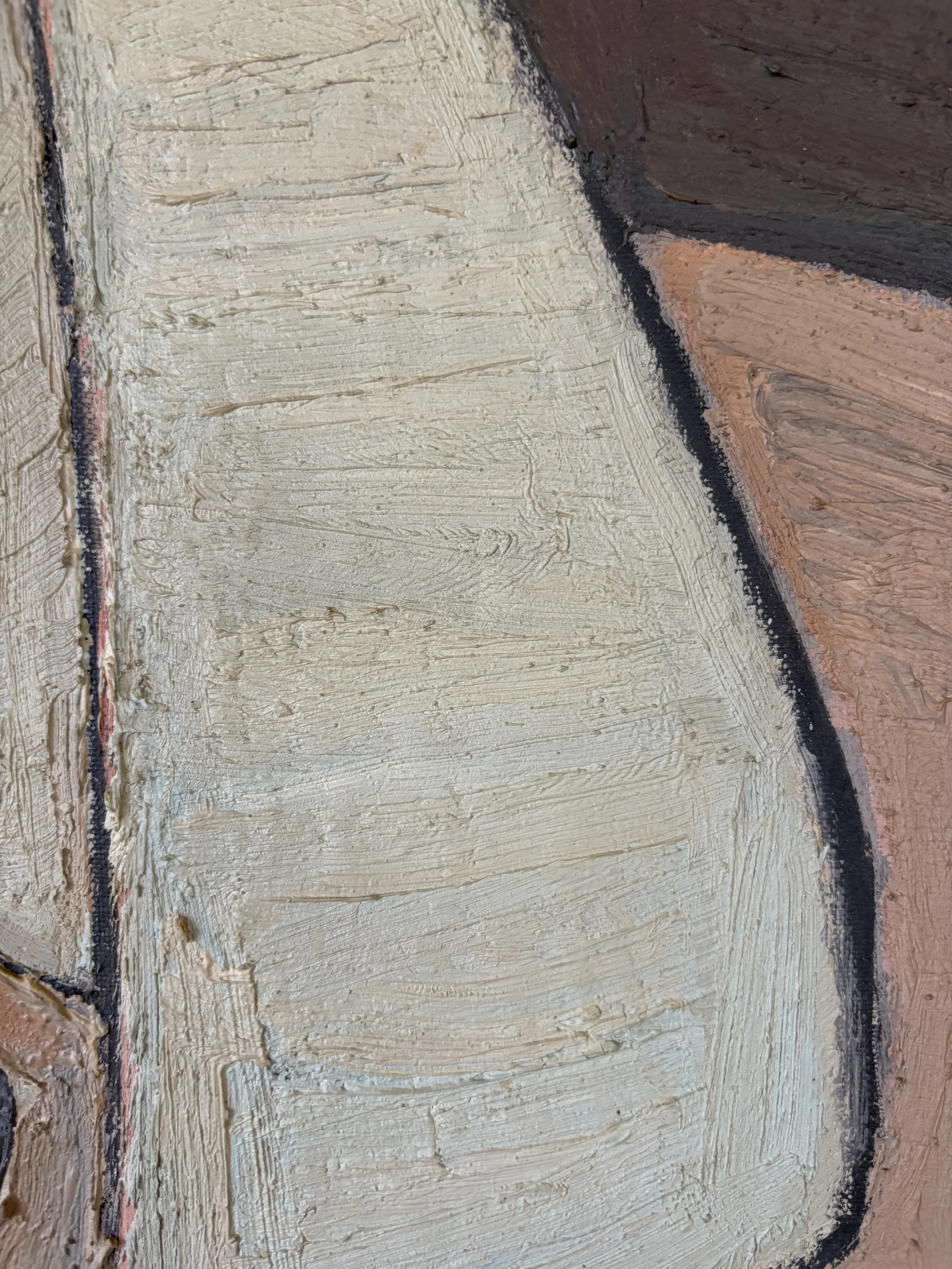 Image 16 of 25
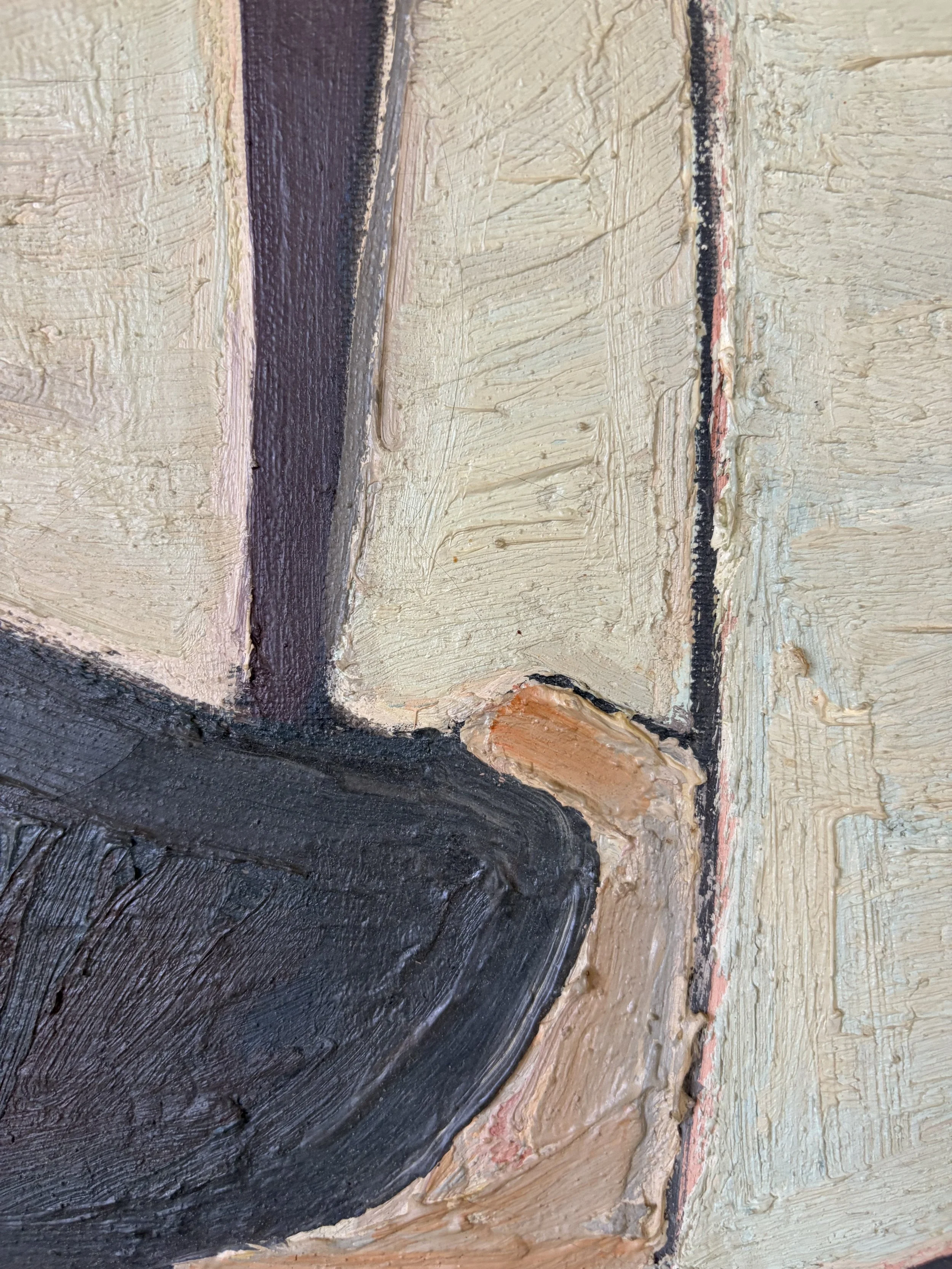 Image 17 of 25
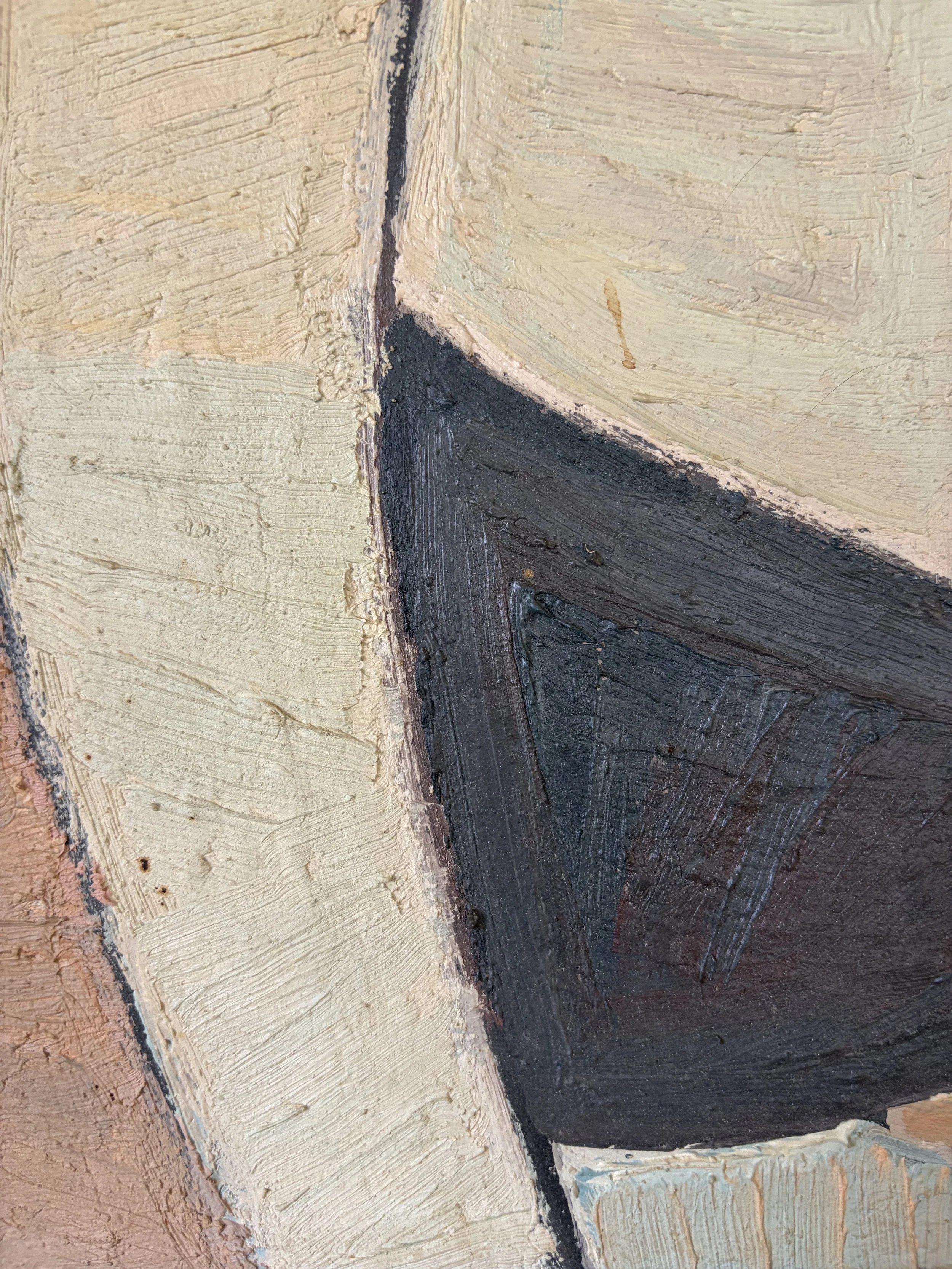 Image 18 of 25
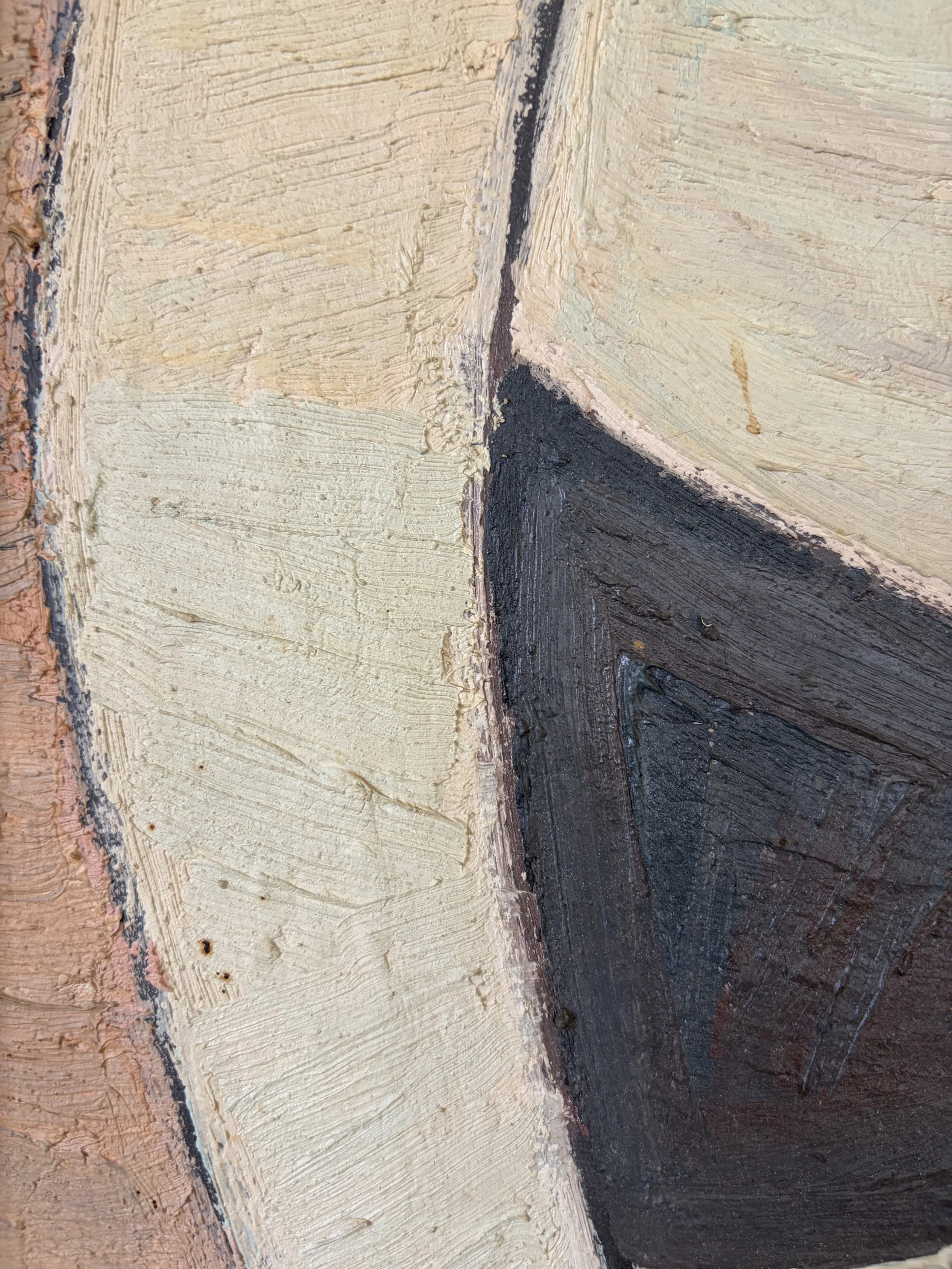 Image 19 of 25
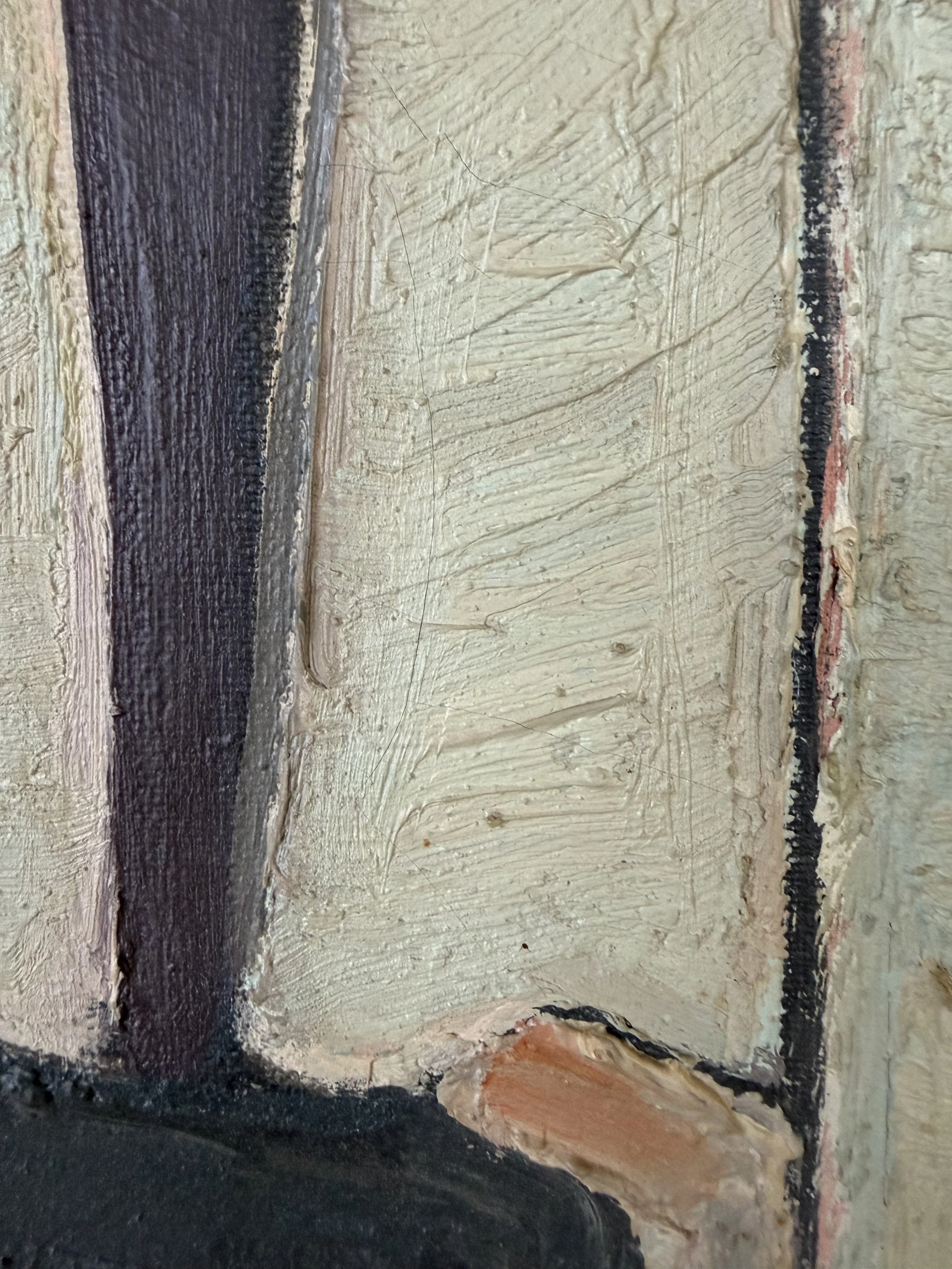 Image 20 of 25
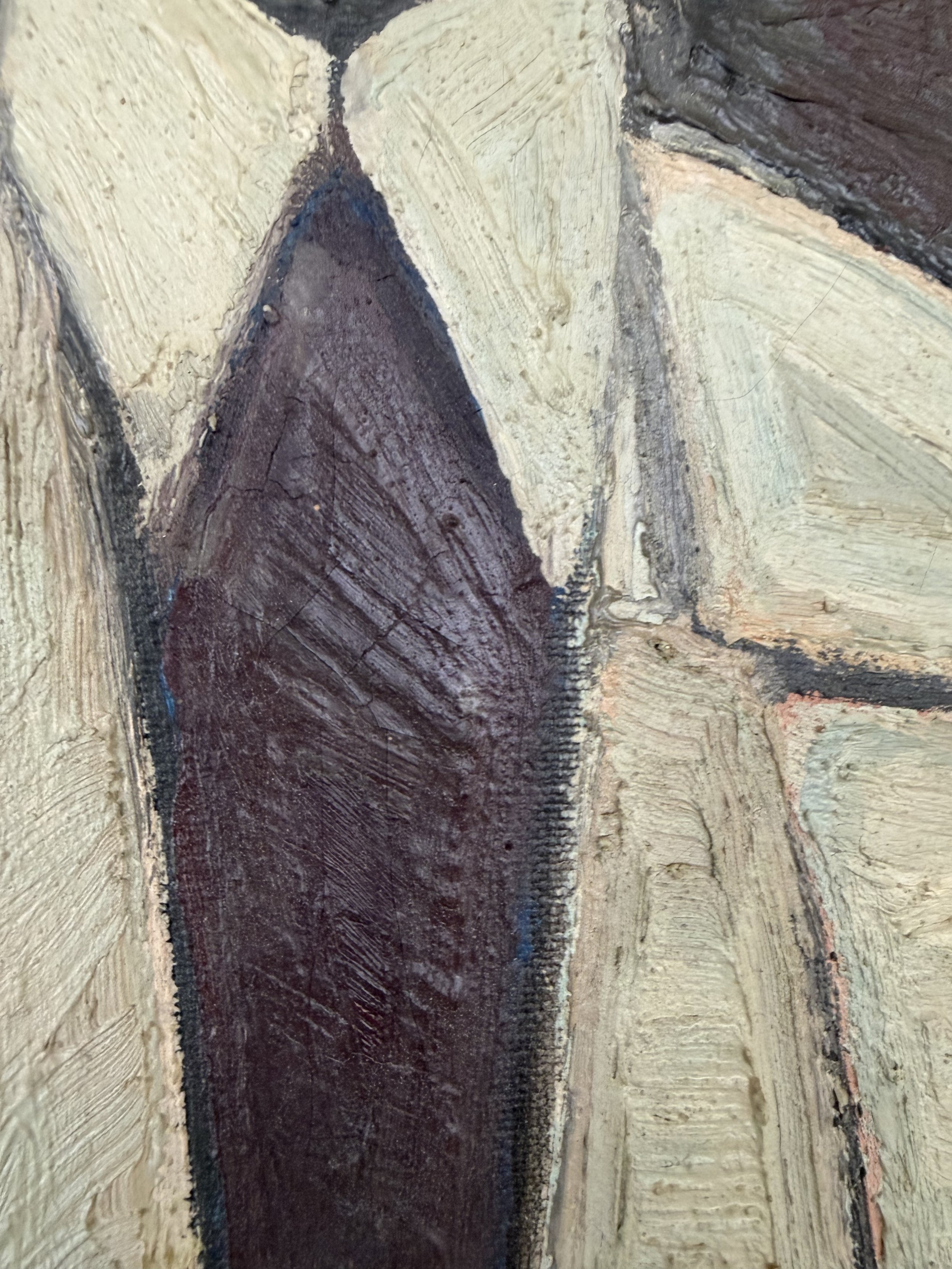 Image 21 of 25
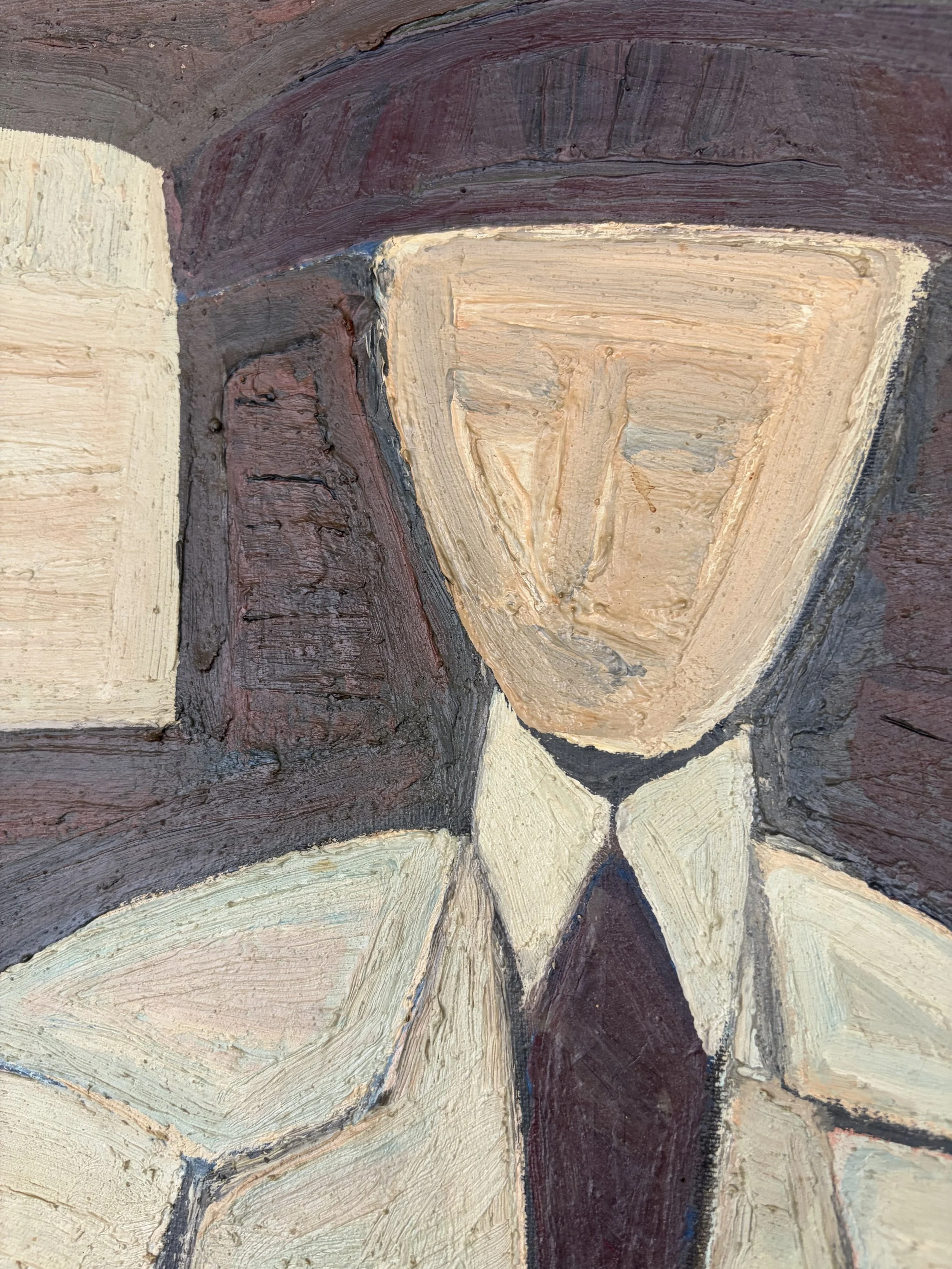 Image 22 of 25
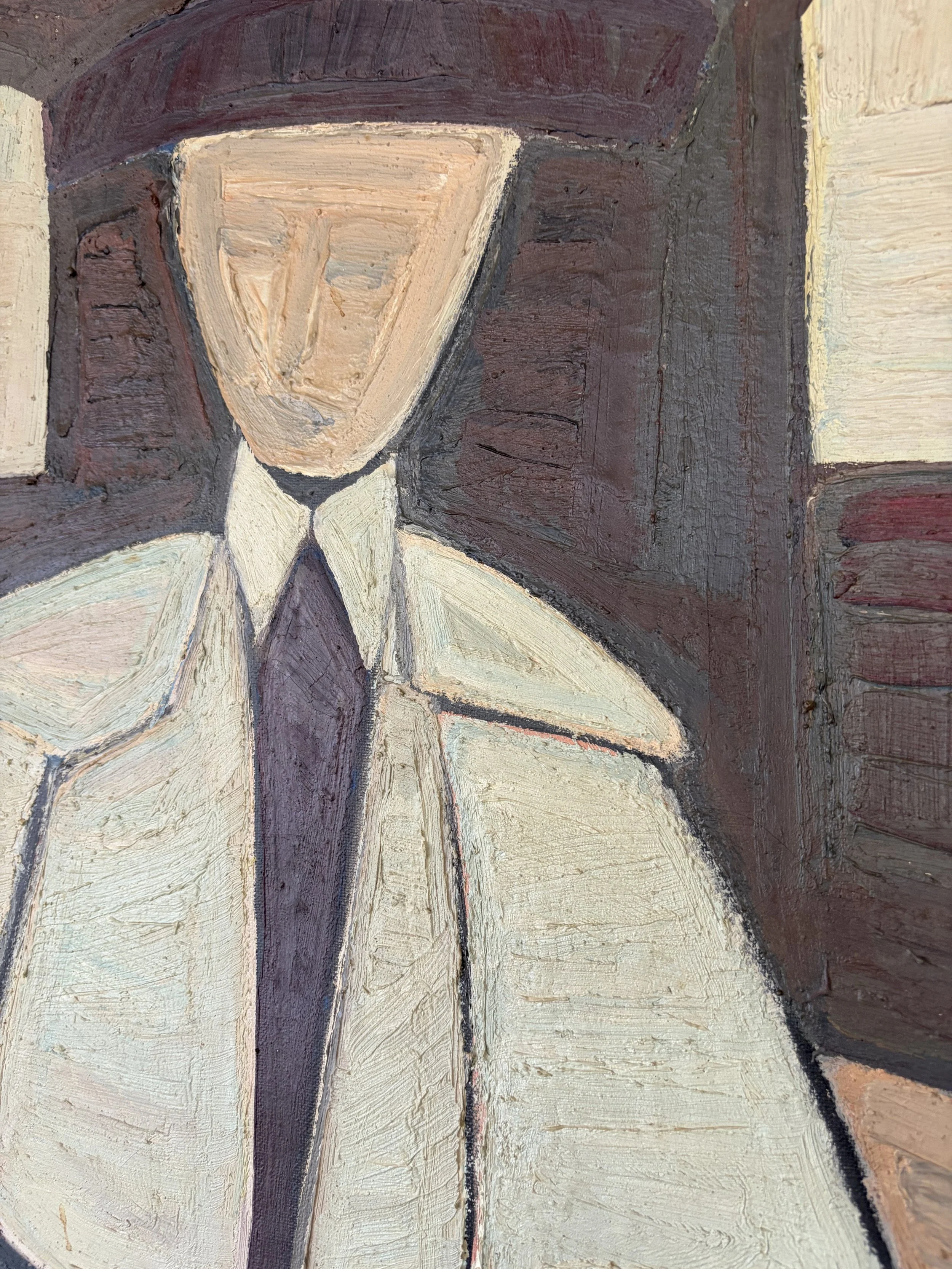 Image 23 of 25
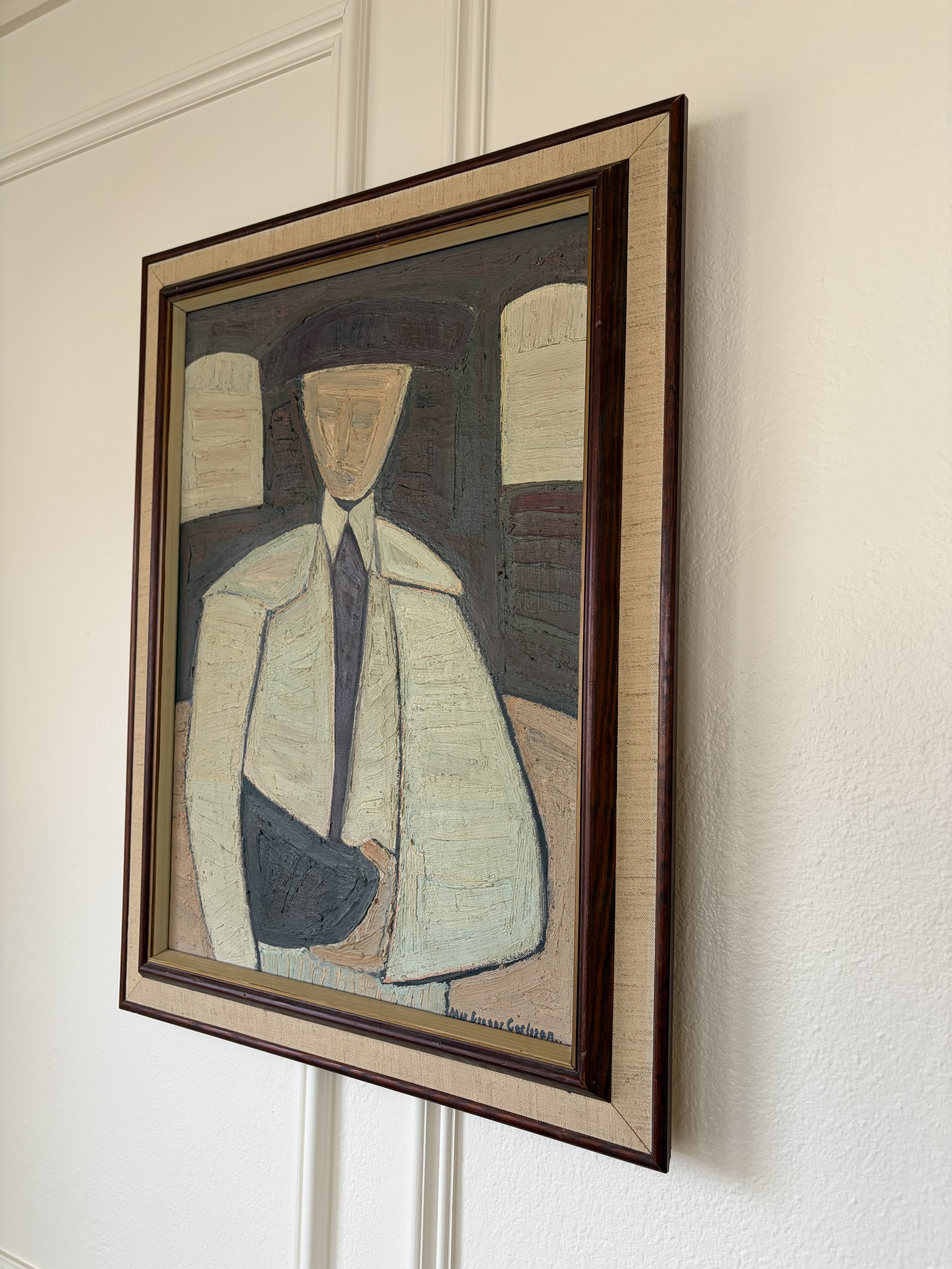 Image 24 of 25
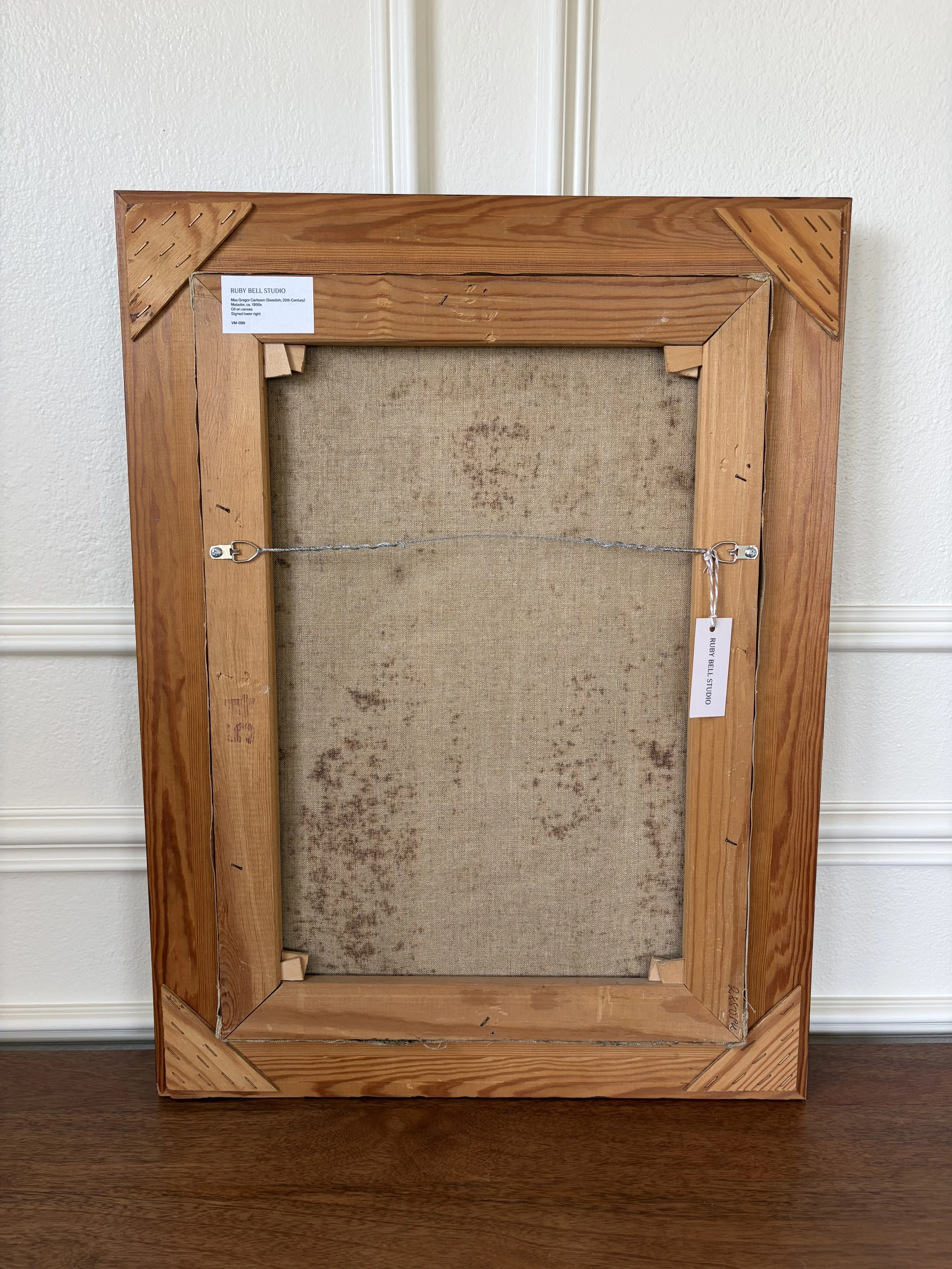 Image 25 of 25