Mari Simmulson for Upsala-Ekeby (Swedish, 20th Century)
Gourd, 1967
Hand coiled earthenware vessel with experimental glaze
Dimensions 7.5” H
Signed with marked ‘Sweden, (model no.) 6019’ on base; original Upsala-Ekeby sticker on neck
Mari Simmulson (1911-2000) was the most versatile of all Upsala-Ekebys designers. She was an artist at her fingertips, painted on canvas and ceramics, made public decorations, designed textile patterns, drew joke drawings for Upsala Nya Tidning and designed over 200 series of art wares in ceramics, during her 22 years at the factory.
Mari Simmulson arrived in Sweden as a refugee from the bombing of Tallinn in 1944. She was already a mature artist and it wasn't long before she got a job at the Gustavsberg porcelain factory where she worked mainly with unique sculptures and painting on ceramics. In 1949 she came to Upsala-Ekeby where she stayed.
The question is what impresses most: her painting of the rough chamotte estate, delicate and powerful at the same time, or the modernist art estate of the 50s and 60s with an austere, often carved, and strongly stylized or geometric decor. Regardless, she stands out as one of the leading designers in 20th century Swedish ceramics.
Mari Simmulson for Upsala-Ekeby (Swedish, 20th Century)
Gourd, 1967
Hand coiled earthenware vessel with experimental glaze
Dimensions 7.5” H
Signed with marked ‘Sweden, (model no.) 6019’ on base; original Upsala-Ekeby sticker on neck
Mari Simmulson (1911-2000) was the most versatile of all Upsala-Ekebys designers. She was an artist at her fingertips, painted on canvas and ceramics, made public decorations, designed textile patterns, drew joke drawings for Upsala Nya Tidning and designed over 200 series of art wares in ceramics, during her 22 years at the factory.
Mari Simmulson arrived in Sweden as a refugee from the bombing of Tallinn in 1944. She was already a mature artist and it wasn't long before she got a job at the Gustavsberg porcelain factory where she worked mainly with unique sculptures and painting on ceramics. In 1949 she came to Upsala-Ekeby where she stayed.
The question is what impresses most: her painting of the rough chamotte estate, delicate and powerful at the same time, or the modernist art estate of the 50s and 60s with an austere, often carved, and strongly stylized or geometric decor. Regardless, she stands out as one of the leading designers in 20th century Swedish ceramics.

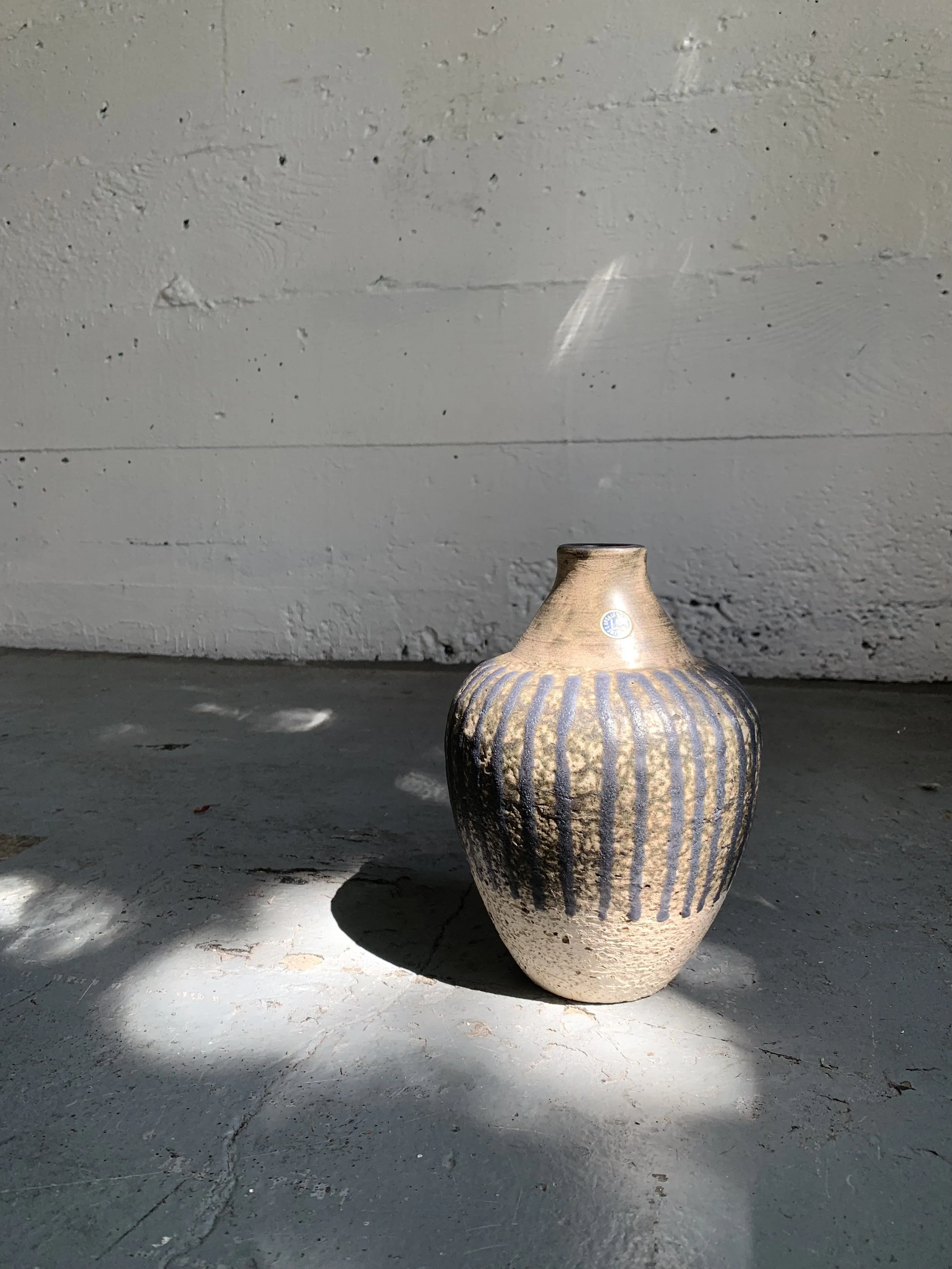 Image 1 of 6
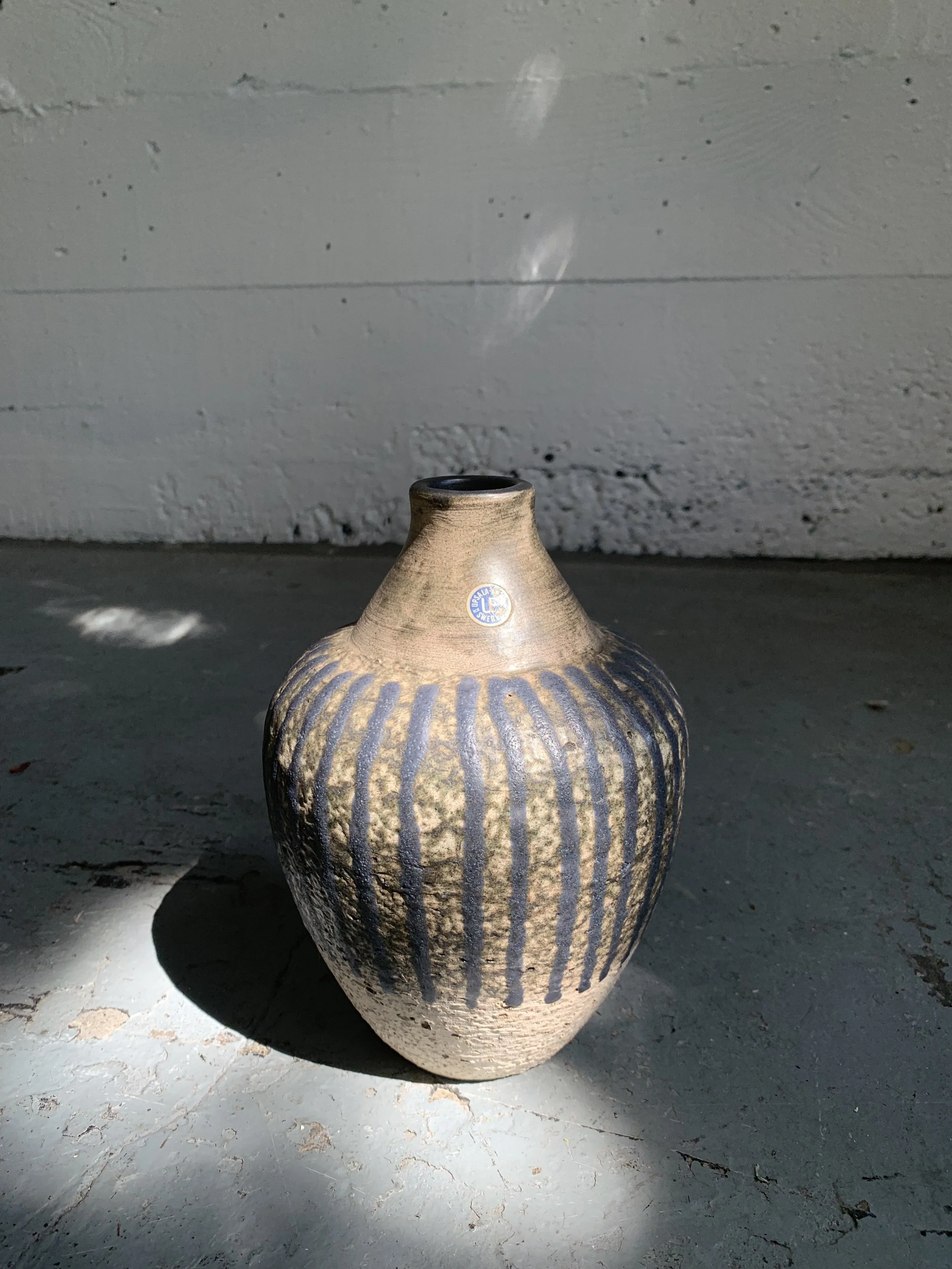 Image 2 of 6
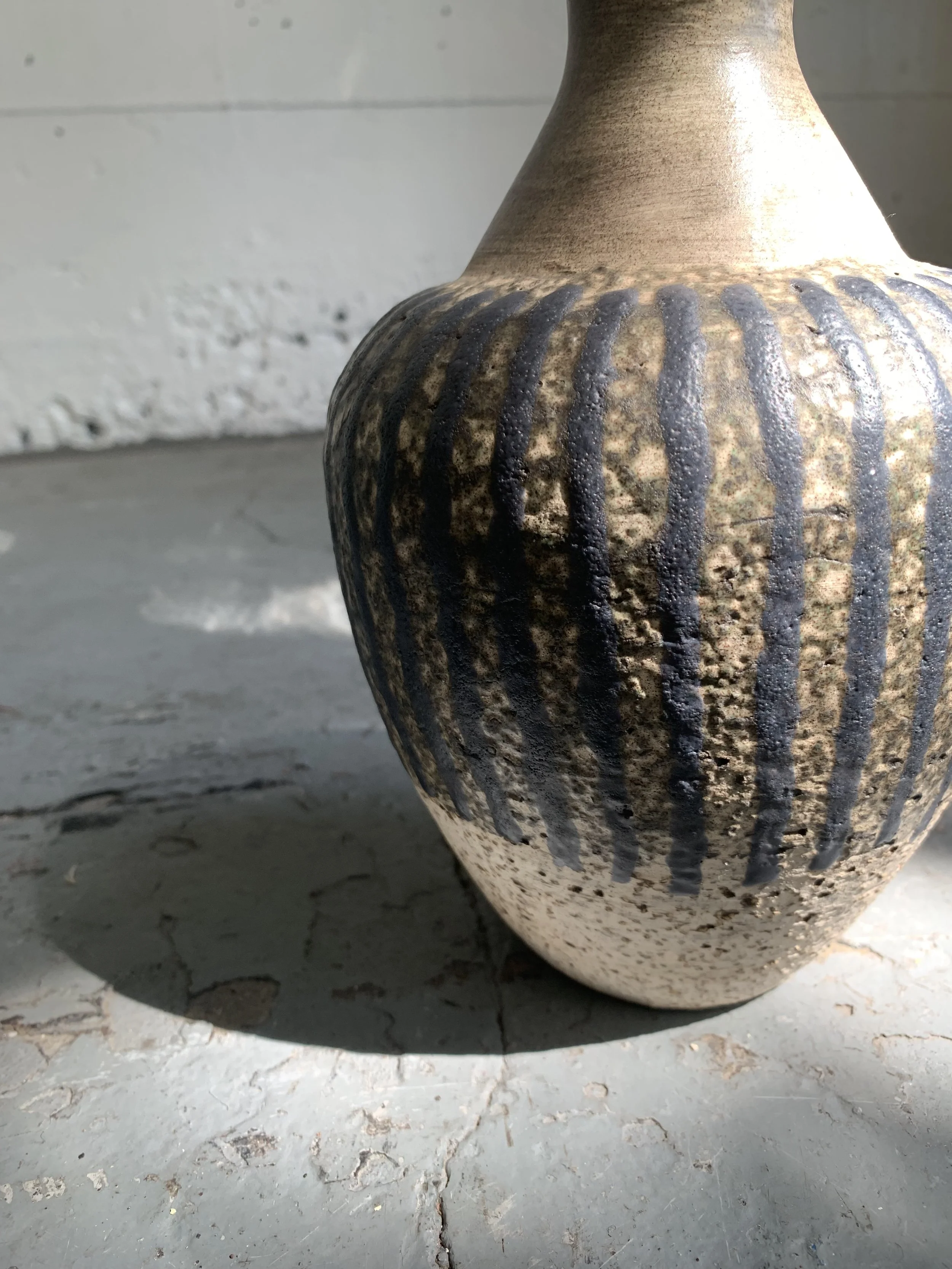 Image 3 of 6
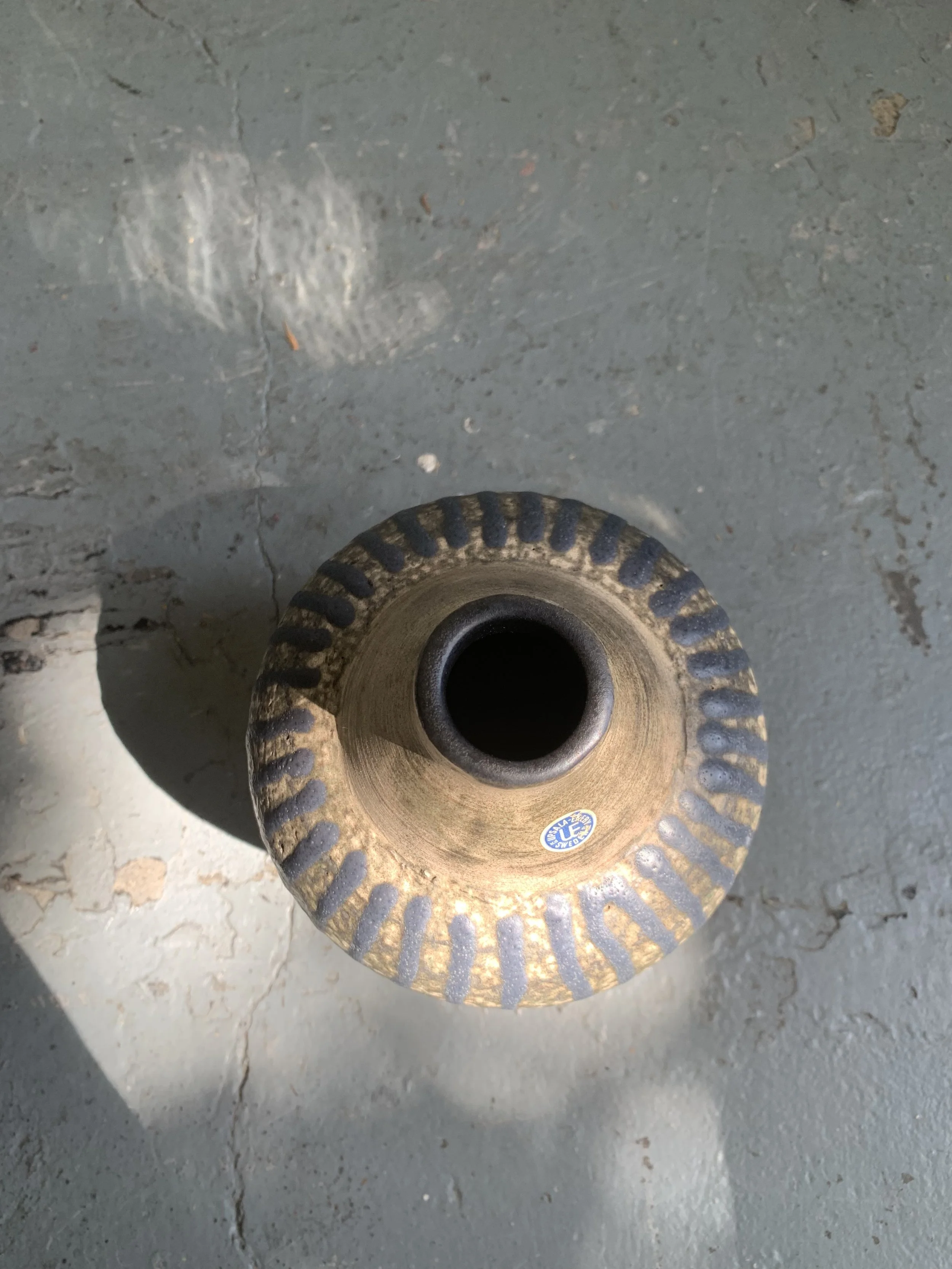 Image 4 of 6
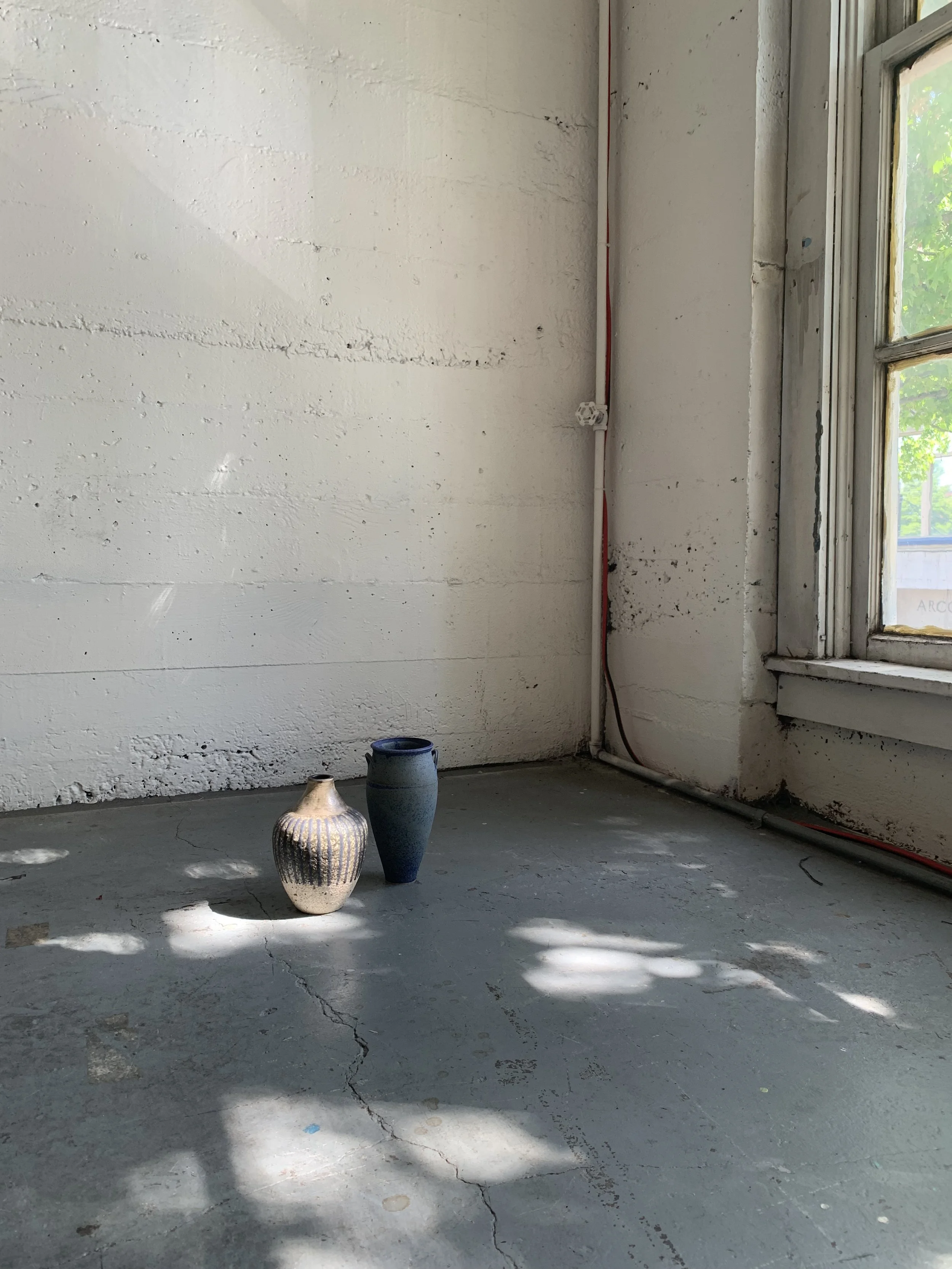 Image 5 of 6
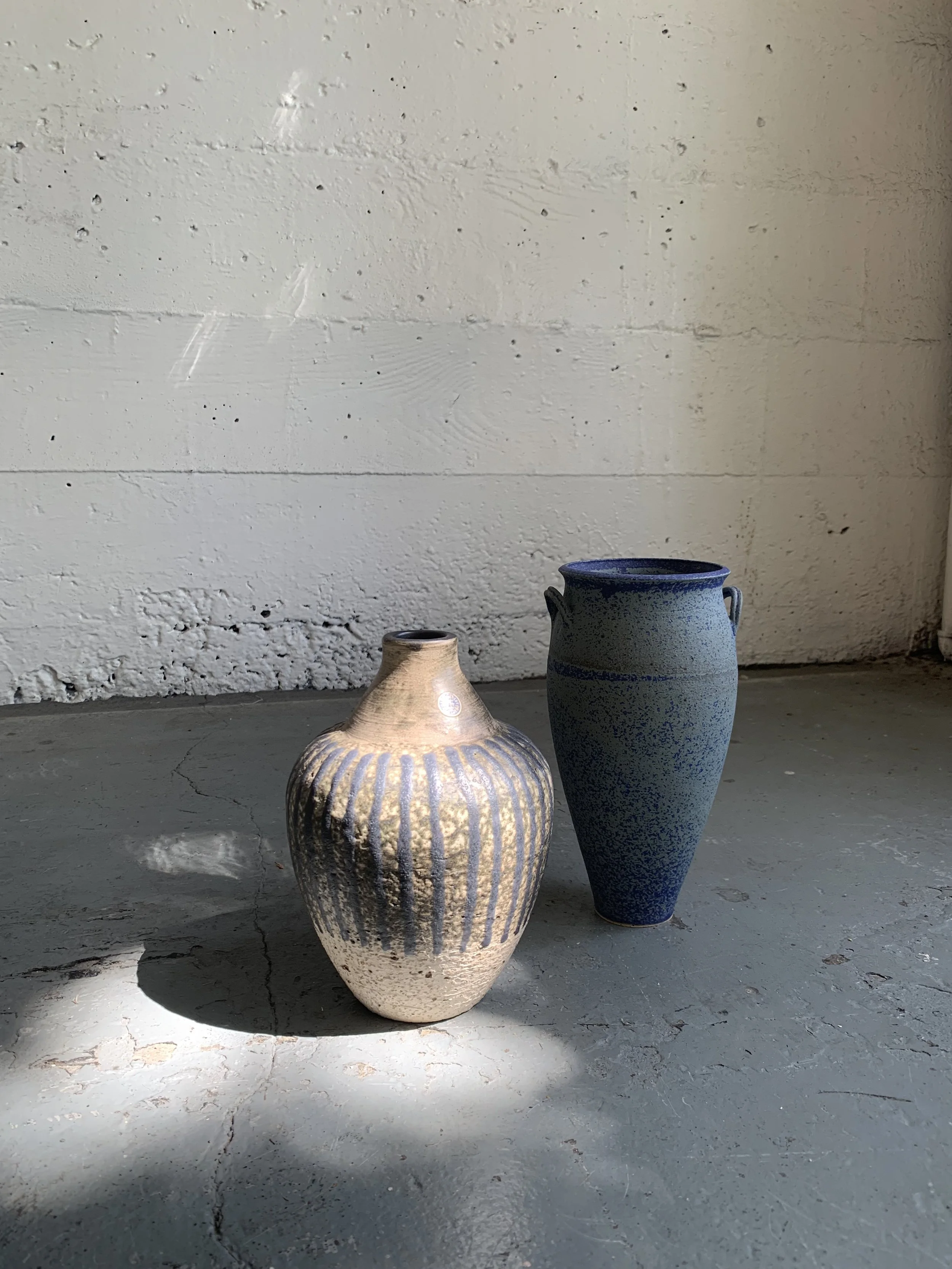 Image 6 of 6